
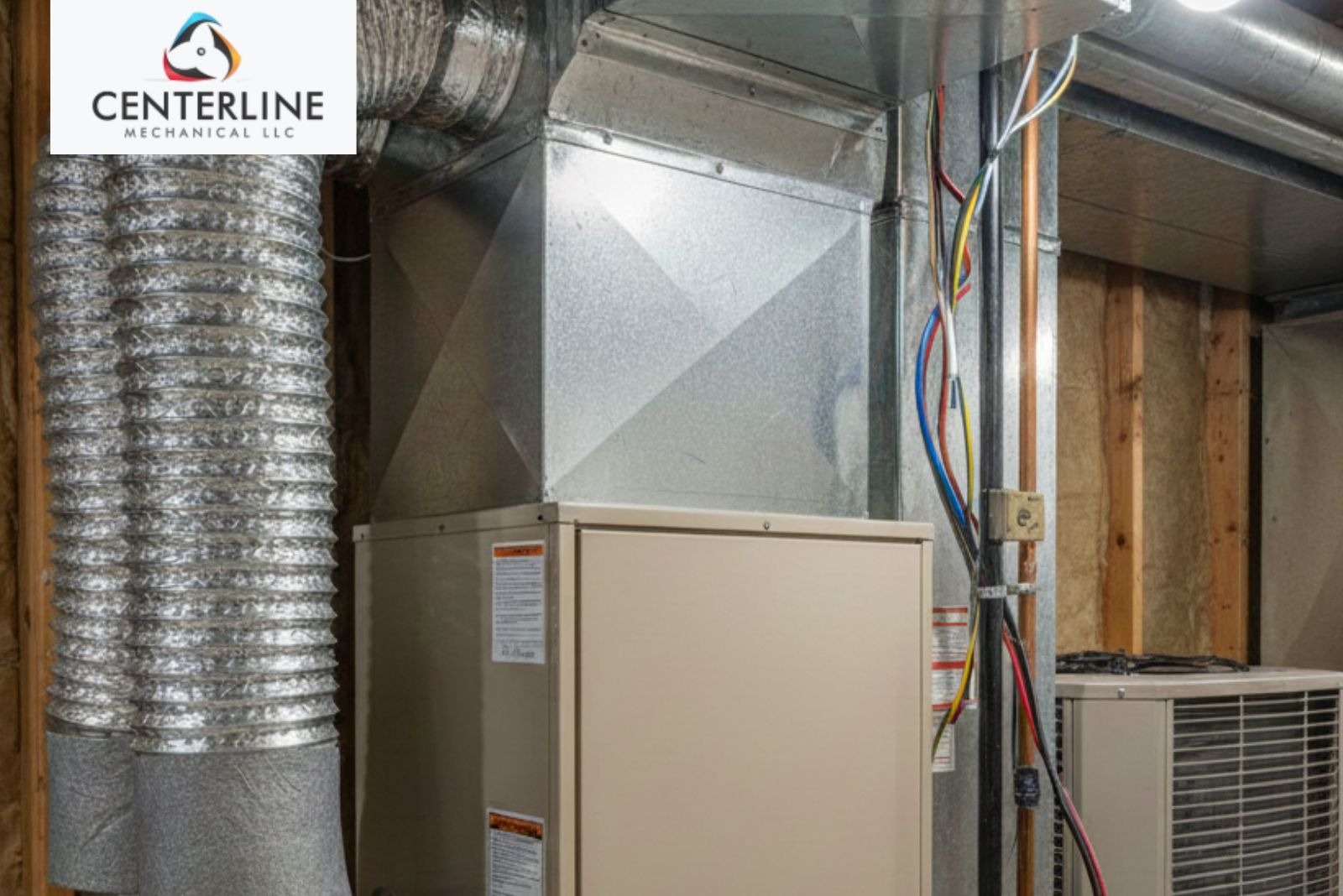
That 15 to 20 year lifespan you’ve heard about? It’s based on ideal conditions that almost no home actually has. It assumes you never miss a filter change, your installer did everything right, and your winters are perfectly mild. None of that describes real life.
What actually determines how long your furnace lasts comes down to the dust building up in your system, how well your ductwork moves air, and the stress of firing up on cold mornings year after year. Here’s what really controls your furnace’s lifespan and what you can do to get more years out of it.
Key Takeaways
- The national average is 15-20 years, but your home’s specific conditions are what matter.
- Annual professional maintenance is the single biggest factor for a long life.
- Recognizing early failure signs can save you from a costly emergency replacement.
The Early Warning Signs of a Furnace Aging Too Fast
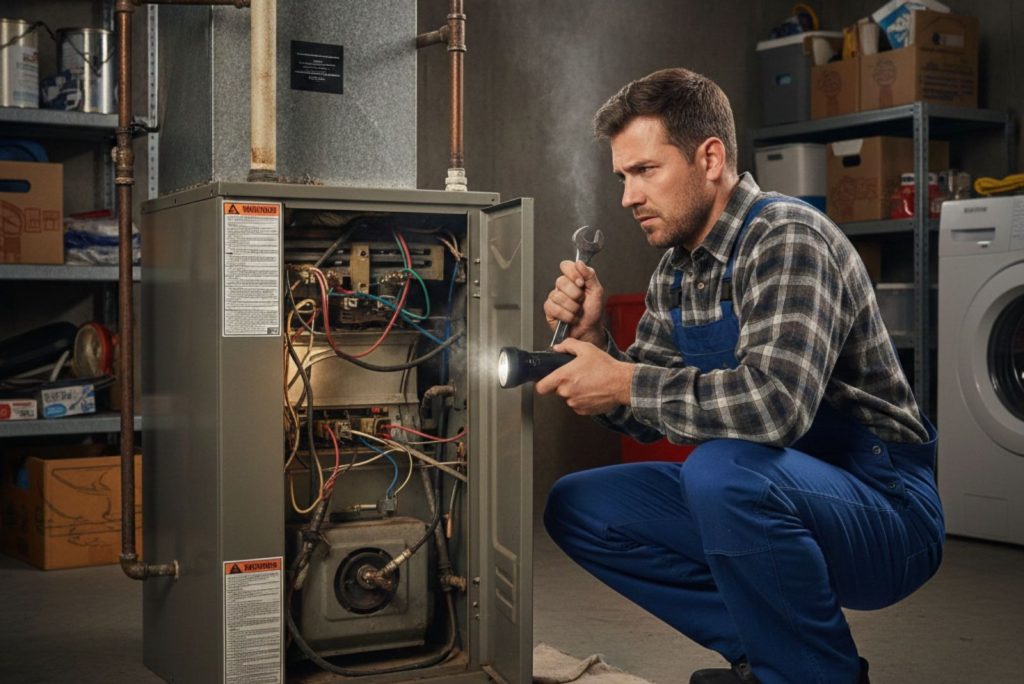
It starts with something you haven’t heard before. A new rattle when the blower starts up. Or maybe one room just doesn’t get as warm as it used to. These are clues that your furnace is wearing out faster than the calendar suggests.
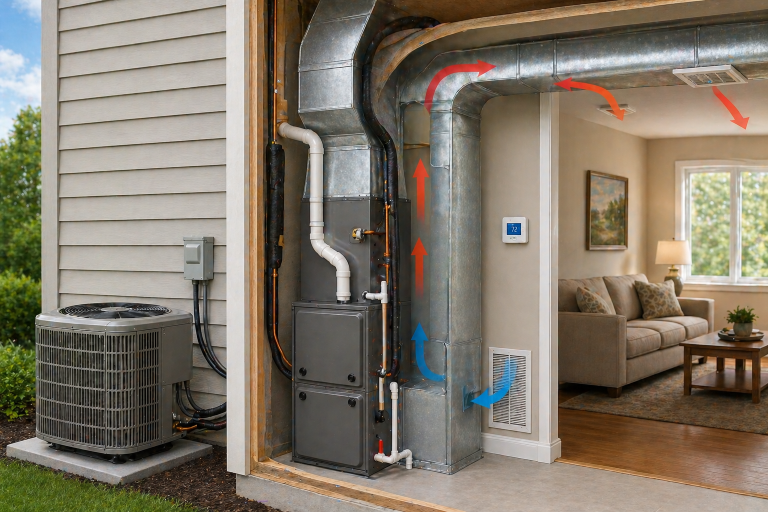
A furnace isn’t just a metal box in your basement. It’s a system that breathes your home’s air, fights against your climate, and reacts to how you use it. When you hit that 15-year mark, don’t think of it as a finish line. Think of it as a signal. How you respond determines whether you get a slow, predictable decline or a sudden breakdown in the middle of January.
The Lifespan They Don’t Tell You About
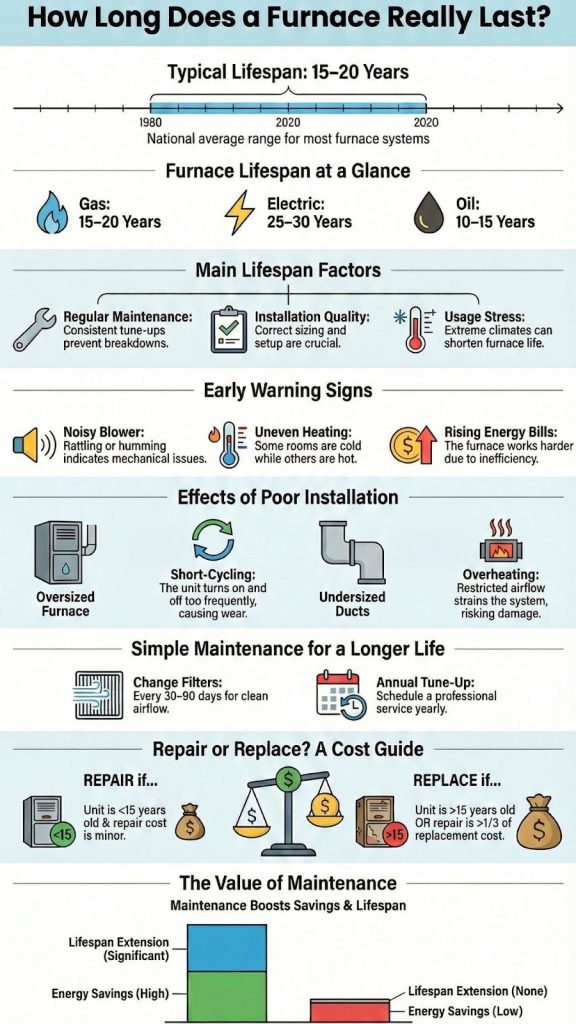
The standard answer is 15-20 years for a gas furnace. That number assumes everything goes perfectly. In the real world, the type of furnace you have makes a big difference.
Electric furnaces tend to outlast gas models. With fewer moving parts and no combustion, they often run 25 to 30 years. The trade-off? Higher electricity bills over those decades.
Oil furnaces are a different animal. They work hard, but the fuel itself creates soot and buildup that leads to corrosion. In humid or coastal areas where salt air speeds up the damage, oil furnaces often only make it 10-15 years. They need more frequent attention just to hit that mark.
But the type of furnace is just the beginning. What happens after installation writes the real story.
What Actually Wears Your Furnace Out
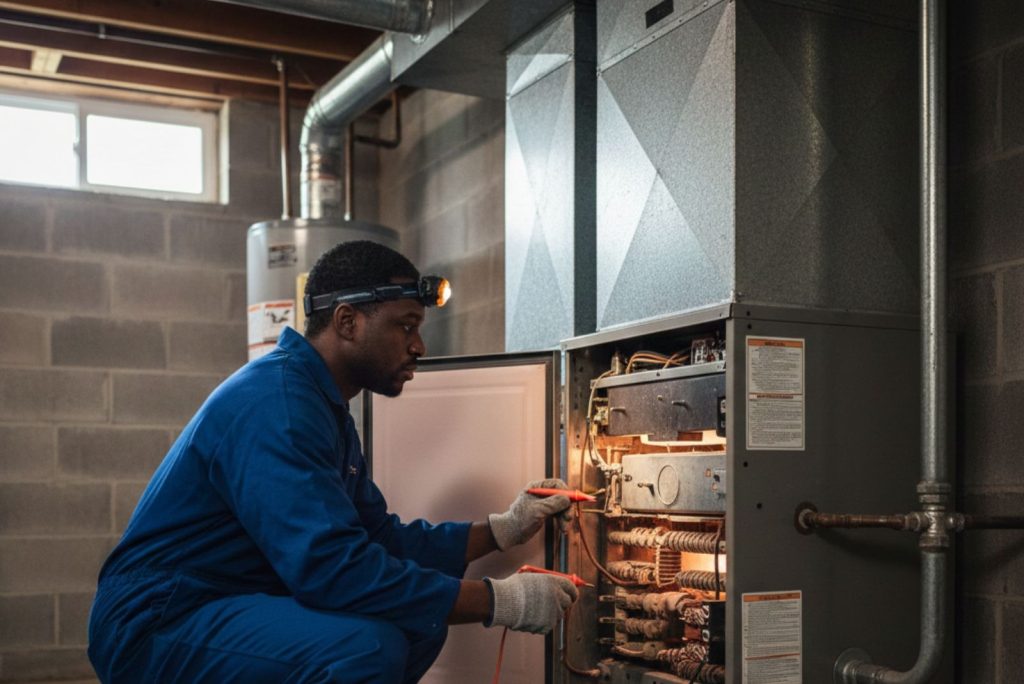
Maintenance isn’t optional. It’s what keeps the system running, and consistent HVAC service gives technicians the chance to catch small issues before they turn into expensive repairs.
A furnace that gets a yearly tune-up is like a person who goes to the doctor regularly. Small problems get caught before they turn into expensive repairs. A dirty flame sensor, for example, can trigger safety shutdowns that leave you without heat.
Neglect does real damage. A clogged air filter might seem minor, but it forces the blower motor to push harder to move air. That motor was built for a specific workload. Make it work overtime for years, and you can cut its life in half.
How Overworking and Poor Installation Shorten Furnace Lifespan
| Issue | What Happens | Long-Term Effect |
| Oversized furnace | Short-cycling and frequent restarts | Early component failure |
| Undersized ductwork | Restricted airflow and overheating | Blower motor and heat exchanger damage |
| Poor load calculation | System runs inefficient cycles | Reduced lifespan and higher energy costs |
| Frequent short-cycling | Constant expansion and contraction | Metal fatigue in heat exchanger |
Running your furnace too hard takes a toll. Here’s what happens when the system is pushed beyond its limits:
- Short-Cycling: The furnace turns on and off too frequently, never running long enough to work properly.
- Heat Exchanger Stress: This core component expands and contracts with every cycle. Constant on-off-on-off causes metal fatigue.
- Electrical Wear: Starting and stopping repeatedly strains capacitors and ignition components.
Installation quality matters more than most people realize. An oversized furnace heats the house too fast, shuts off, then starts again. That short-cycling destroys the system before its time. The furnace never runs long enough to remove humidity properly either.
A good technician does a load calculation before installation to size the unit correctly. Skipping that step is asking for trouble.
Poor Installation Often Causes Problems
Even a brand-new furnace can fail prematurely if it’s installed incorrectly. One of the most common mistakes is oversizing the unit.
An oversized furnace heats the space too quickly, shuts off, and then restarts minutes later. This constant cycling not only wears out components but also prevents proper humidity control, leaving the home feeling dry in winter and unevenly heated.
Undersized or poorly designed ductwork can be just as damaging, especially when airflow is restricted through the HVAC plenum, forcing the furnace to work harder and raising internal temperatures that strain the blower motor and heat exchanger.
Restricted airflow forces the furnace to work harder, raising internal temperatures and placing extra strain on the blower motor and heat exchanger.
Proper Sizing: The Foundation of Longevity.
A qualified HVAC technician performs a detailed load calculation before installation, accounting for square footage, insulation levels, window placement, and local climate.
This ensures the furnace runs long, efficient cycles that maintain comfort without excessive wear. Skipping this step might save time upfront, but it often leads to higher energy bills, frequent repairs, and a furnace that fails years earlier than it should.
In short, furnaces don’t usually “wear out” on their own,they’re pushed past their limits by bad setup and constant strain. Correct installation and balanced operation are the difference between a system that struggles at 10 years and one that runs reliably for 20.
The Silent Signs Your Furnace is Nearing the End
Credits: Fire & Ice Home Services
You don’t need to wait for a complete breakdown to know something’s wrong. The furnace gives you signals.
Watch your gas bills. A steady, unexplained increase is a red flag. Furnaces lose efficiency as they age. A unit that started at 80% AFUE might be running at 60% or less by year 15 (1). You’re paying more for the same heat because the system is working harder and wasting fuel.
Pay attention to sounds:
- A squealing noise from the blower motor usually means worn bearings.
- Rumbling during burner operation can mean a dirty burner assembly.
- Persistent rumbling might point to a cracked heat exchanger,a serious safety issue.
- Cracks in the heat exchanger can let carbon monoxide leak into your home.
There’s also a simple cost calculation. If your furnace is over 15 years old and the repair costs more than half the price of a new high-efficiency unit, replacement makes more sense. Pouring money into an aging, inefficient system usually leads to another repair bill soon after.
Making Your Current Furnace Last Longer
You have more control than you might think. Start with the basics.
Change your air filter regularly. For most homes, every 90 days works fine. If you have pets or live in a dusty area, bump that up to every 30-60 days (2). This one habit protects your blower motor and keeps air moving properly.
Schedule an annual professional tune-up. A technician should:
- Clean the burners so combustion stays efficient.
- Inspect the heat exchanger for cracks.
- Test all safety controls.
- Verify the system is running at peak efficiency.
- Catch small problems before they become big ones.
This reduces breakdowns, lowers energy bills, and adds years to the system’s life. It’s an investment, not an expense.
Also look at the bigger picture. Are some rooms always cold? That imbalance can point to ventilation issues where systems like an energy recovery ventilator (ERV) help stabilize airflow, reduce furnace workload, and improve overall comfort.
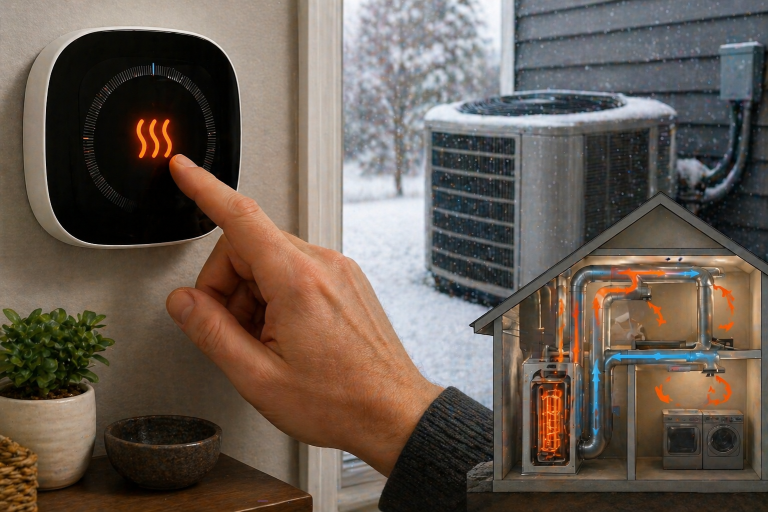
Sealing those leaks takes pressure off the system. A programmable or smart thermostat helps too by reducing unnecessary cycling and keeping temperatures steady.
FAQs
Frequently Asked Questions
How long does an HVAC system usually last?
Most HVAC systems run between 10 and 25 years. How long yours lasts depends on the type, how often it runs, and how well you maintain it. Furnaces typically outlast air conditioners. Systems in mild climates generally last longer than those in extreme heat or cold. Regular care pushes your system toward the higher end of that range.
Does climate affect HVAC lifespan?
Absolutely. Extreme heat, cold, or humidity makes the system work harder every day. That extra strain wears out parts faster. Coastal areas are especially tough because salt air corrodes metal components. In milder climates, systems don’t have to fight as hard and tend to last longer with proper care.
Which HVAC system lasts the longest?
Boilers and gas furnaces usually have the longest lifespans. Boilers can run 20 to 35 years with good maintenance. Gas furnaces often last 15 to 30 years. Heat pumps and air conditioners work year-round, so they typically last 10 to 20 years. The type sets the baseline, but maintenance and installation still make a huge difference.
How does maintenance help my HVAC system last longer?
Maintenance keeps everything clean and running smoothly. A technician catches small issues before they become major problems. Cleaning coils, checking motors, and adjusting parts reduces strain. Changing filters helps airflow and efficiency. With regular care, an HVAC system can last 30 to 50 percent longer than one that’s been ignored.
How often should I change my air filter?
Every three months works for most homes. If you have pets, allergies, or a dusty environment, change it every one to two months. A clean filter lets air flow easily, reducing stress on the system. It’s one of the simplest and cheapest ways to protect your investment.
Can poor installation shorten HVAC life?
It can cut years off the system. An oversized unit cycles on and off constantly. An undersized unit runs nonstop. Both cause excessive wear. Proper sizing and correct ductwork help the system operate as designed. Good installation means better performance, longer life, and lower energy bills.
What are warning signs my HVAC is failing?
Listen for loud or unusual noises. Watch for weak airflow, uneven temperatures, or frequent on-off cycling. Rising energy bills are another clue. If repairs are happening often, especially after 15 years, the system may be near the end. Catching these signs early gives you time to plan instead of scrambling during an emergency.
Does using my HVAC more shorten its life?
Heavy use does add wear. Systems running constantly in large homes or harsh climates break down faster. Zoning systems, smart thermostats, and proper insulation can reduce run time. Less strain means parts last longer. Using the system wisely helps balance comfort with durability.
Is it better to repair or replace an old HVAC?
It depends on the system’s age and the repair cost. If it’s over 15 years old and repairs are expensive or frequent, replacement usually makes more sense. New systems are more efficient and reliable. Spending heavily on an old unit often leads to more problems soon after. Planning ahead saves money and stress.
How can I plan for HVAC replacement?
Know your system’s age and condition. Start setting money aside once it hits 10 to 15 years. Schedule yearly inspections to track how it’s holding up. Talk to a professional about timing. Planning turns replacement into a smooth upgrade instead of a panicked emergency.
The Final Calculation on Furnace Longevity
Your furnace’s lifespan isn’t written in stone. It’s shaped by how you care for it and the conditions it operates in. The national average is just a starting point, not a promise.
Once you understand what causes wear,skipped maintenance, wrong sizing, ignored filters,you can do something about it. Listen to the sounds your system makes. Keep an eye on your bills. Don’t brush off small repairs. They all add up to tell the story of your furnace’s life. And you’re the one writing the ending.
Ready to keep your home comfortable and your system running strong? Let the experts at Centerlinemech give you a personalized assessment and keep everything working the way it should.
References
- https://www.sciencedirect.com/science/article/pii/S2542435124000497
- https://www.sciencedirect.com/science/article/pii/S0048969724011392