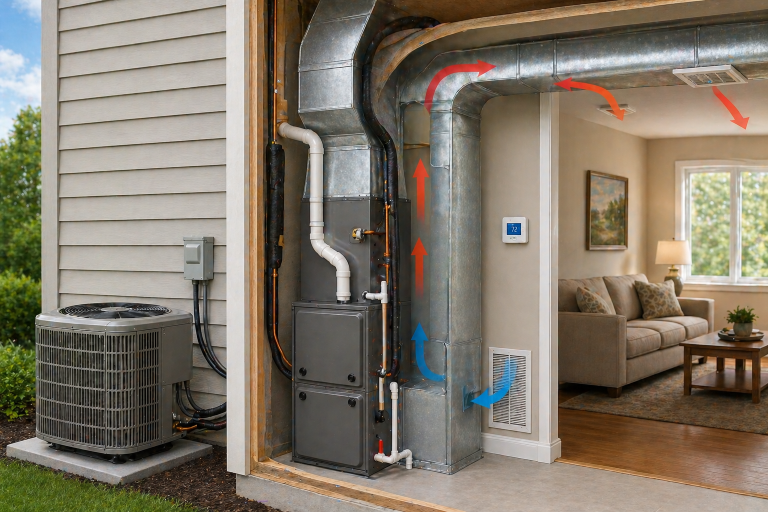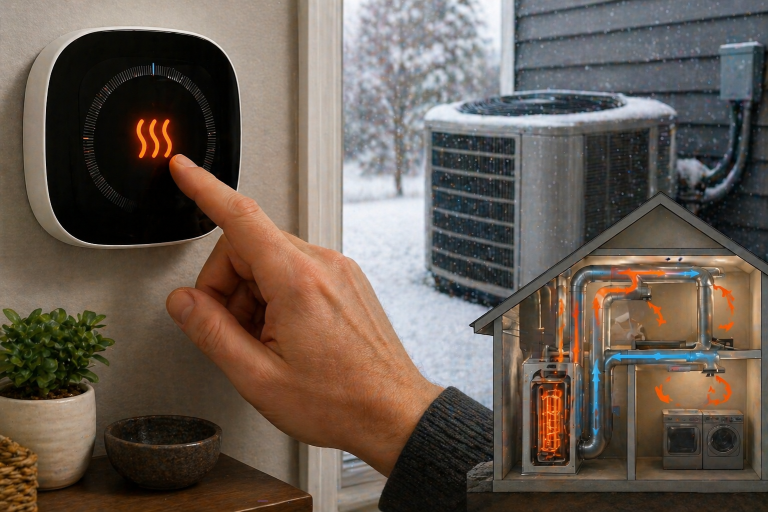

Worcester County homeowners put their heating and cooling systems through serious work. Winter heating design temperatures drop to -5°F here, and that means your furnace or heat pump isn’t just running – it’s running hard, for months. Routine maintenance keeps it from breaking down at the worst possible moment, and among the best HVAC maintenance tips for homeowners is simply staying on top of your air filter. It’s a five-minute job that protects everything downstream.
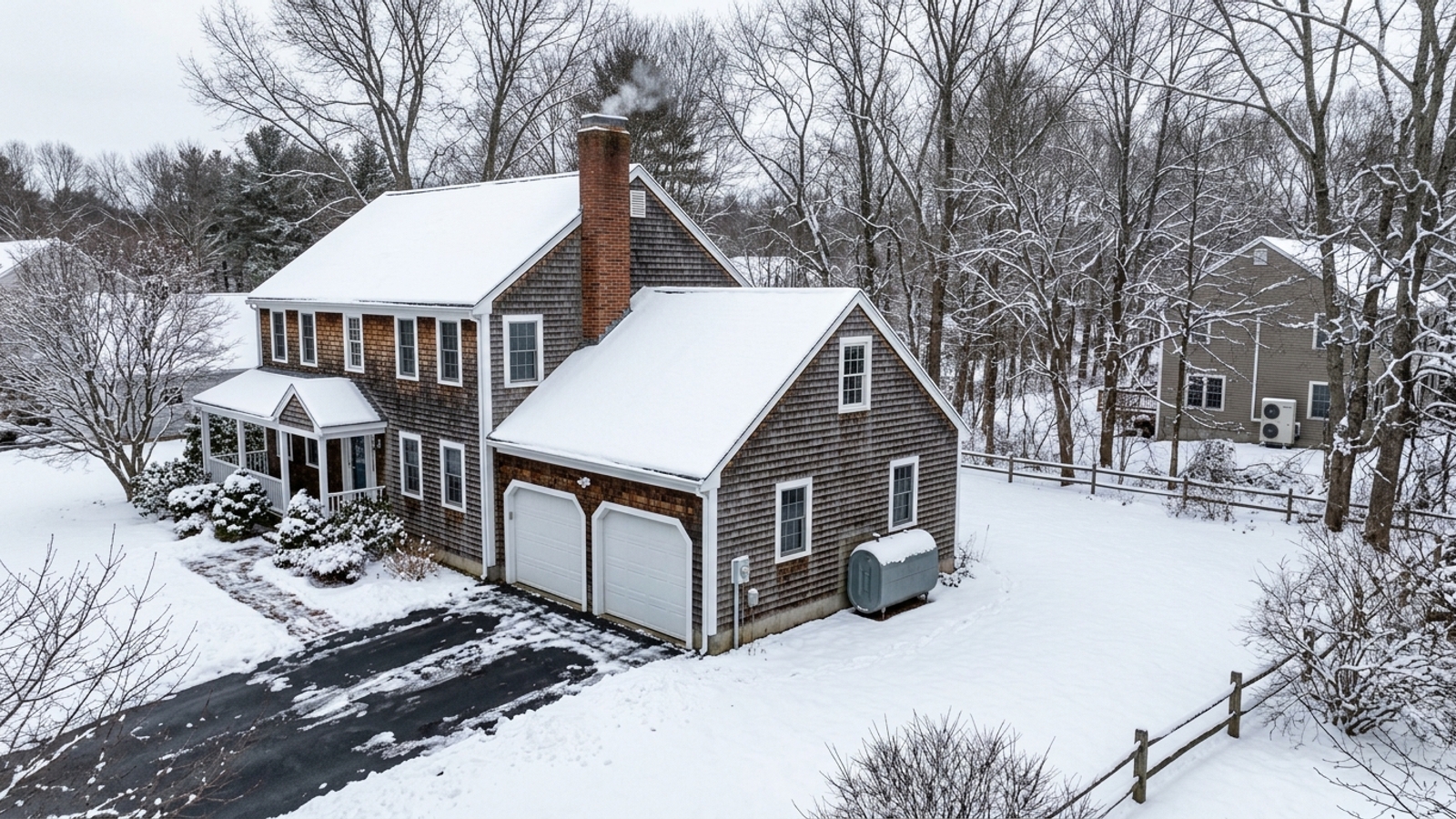
Most homes in the county still run on traditional oil or natural gas furnaces, though cold-climate heat pumps are showing up more and more. Whatever equipment you have, a clogged filter forces the system to push air through a wall of resistance it wasn’t designed to handle. Knowing when to swap it out is the difference between a furnace that runs quietly all January and one that quits on you at 2 a.m.
Why Changing Your Filter Matters for Your Worcester County, MA Home
A clean filter is the first line of defense for your HVAC equipment. It intercepts debris before anything reaches the mechanical components – and when it fills up, the problems compound quickly.
Airflow drops. The blower motor strains to compensate. Components wear faster, and the useful life of the whole unit shrinks. It’s one of those slow-motion failures that’s easy to ignore right up until it isn’t.
Protecting Your Heating and Cooling Equipment
Natural gas furnaces and oil boilers are still common across Worcester County, MA, and ductless mini-splits and hybrid dual-fuel heat pumps are gaining ground fast. All of them depend on unobstructed airflow to function the way they’re supposed to.
A clogged filter causes internal temperatures inside a furnace to climb, which trips the safety switches and shuts the system down. In summer, restricted airflow over the evaporator coil can freeze it solid. Neither situation is a cheap fix.
Improving Indoor Air Quality
A fresh filter catches dust mites, lint, and the outdoor pollutants that work their way inside throughout the day. Once the filter is saturated, it stops holding new particles – whatever comes through just circulates back into your living space. Swapping it out regularly keeps the system actually doing its job.
Lowering Monthly Energy Bills
When your system is fighting through a dense, dirty filter, it burns more fuel or electricity to hit your thermostat setting. The longer each cycle runs, the more that adds up. A clean filter restores normal airflow and efficiency – it’s one of the lowest-effort ways to keep your winter heating and summer cooling bills from creeping up.
General Guidelines for Filter Replacement Schedules
The standard industry recommendation is every 30 to 90 days. That’s a wide range, and where you land within it depends on what type of filter your system takes and what’s going on inside your house.
Thicker filters have more surface area, so they hold more debris before they’re spent. The filter material matters just as much as the thickness.
Fiberglass vs. Pleated Filters
Spun fiberglass filters are inexpensive, and their job is mostly to keep large debris out of the equipment – not to do much for air quality. Replace them every 30 days.
Pleated filters use a denser fabric folded accordion-style to catch smaller particles. Under normal conditions, they typically hold up for 90 days before you need to swap them out.
Standard 1-Inch vs. Thicker 4-Inch Filters
Most residential systems use a standard 1-inch filter at the return air duct or near the blower compartment. Those thinner filters need replacing every one to three months.
Some homes have media cabinets built for 4-inch or 5-inch thick filters. Those high-capacity filters can go six to twelve months before they need replacing – a meaningful difference if you’re the type who’d rather not think about it every season.
Local Factors That Affect Filter Lifespan
The 90-day guideline is a starting point, not a guarantee. Local conditions – inside and outside the house – will often push you toward the shorter end of that range.
Worcester County’s humid continental climate means your heating and cooling systems run a lot. Add pets, seasonal pollen, or an older, drafty house into the equation, and you should be checking your filter more often than the package suggests.
Central Massachusetts Climate and Weather Extremes
Winters here average around 26.3°F, with January lows landing between 15°F and 19°F. Your furnace runs nearly continuously through those months, cycling enormous volumes of air and loading up the filter faster than you’d expect.
Summers are more moderate – peak July highs average 81°F – but the AC still runs daily to manage humidity. Expect to change filters more often during the peak heating and cooling seasons than during the mild weeks in between.
Pets in the Home
Dog and cat hair and dander get pulled straight into the return air vents and clog filter pores faster than ordinary household dust. One pet in the house typically means replacing the filter every 60 days. With multiple pets, check it every 30 to 45 days.
Seasonal Allergies and Pollen
Worcester’s allergy season is long and layered. Spring tree pollen from oak, birch, and maple peaks in April and May. Summer brings Bermuda and Timothy grass pollens, followed by a heavy ragweed season that runs from mid-August until the first frost. Running the air conditioner during high-pollen days pulls all of that into your HVAC system.
If anyone in the house is sensitive to pollen, change the filter monthly during the spring and late summer peaks.
Signs It Is Time to Replace Your Air Filter
You don’t have to wait for a date on the calendar. The system will tell you when it’s struggling.
The most obvious sign is a visible gray coating across the filter material. Hold it up to a light source – if you can’t see light through it, it’s done. Longer heating or cooling cycles are another red flag. If the furnace is taking twice as long to warm the house, or if your utility bills jump without any change in the weather, a clogged filter is usually the first place to look.
How to Choose the Right Filter for Your System
Picking a replacement means matching the dimensions of your existing filter and choosing a filtration level your equipment can actually handle. The most restrictive filter on the shelf isn’t automatically the best choice for your system.
Installing a denser filter than your blower motor was designed for can cause it to overheat. Check your equipment manual before you upgrade.
Understanding MERV Ratings
Filters are graded on the Minimum Efficiency Reporting Value (MERV) scale, which runs from 1 to 16 for residential use. Higher numbers catch smaller particles – pet dander, pollen, fine dust. Most standard homes do well with a MERV rating between 8 and 11.
Going above MERV 13 can restrict airflow too much for older furnaces, making the system work harder than it should. Higher isn’t always better.
Finding the Right Size
The size is printed right on the cardboard frame of your current filter – length, width, and depth, something like 16x20x1. If the old filter is gone or the label is unreadable, measure the slot with a tape measure. An exact fit matters because gaps around a loose filter let air bypass the media entirely.
Frequently Asked Questions
Do I need to change my HVAC filter more often during a long Worcester County winter?
Yes. Worcester County winters average around 26.3°F, which means your furnace or heat pump runs continuously for months. That constant circulation pulls far more dust and debris through the system than you’d see in spring or fall, and the filter fills up faster as a result.
How frequently should I replace a standard 1-inch filter versus a thicker 4-inch pleated filter?
A standard 1-inch pleated filter typically needs replacing every 30 to 90 days, depending on your household conditions. A thicker 4-inch media filter has more surface area and generally lasts between six and twelve months.
Will leaving a dirty furnace filter in place flag an issue during a Massachusetts home inspection?
Yes. A home inspector will likely note a dirty filter in their report. A heavily clogged filter signals deferred maintenance and can prevent the inspector from properly testing the furnace’s heating performance.
If I have pets, how often should I swap out my air filters during the heavy spring pollen season in central Mass?
Every 30 to 45 days. Spring tree pollen from oak, birch, and maple peaks in April and May, and it combines with pet dander to fill a standard filter quickly.
What happens to my home’s heating and cooling system if I wait a full year to replace the air filter?
Waiting a full year severely restricts airflow and forces the blower motor to overwork. That can lead to frozen evaporator coils in summer, tripped high-limit switches on the furnace in winter, and a shortened lifespan for the entire HVAC unit.
Does changing my air filter every month help lower my National Grid or Eversource winter heating bills?
Yes. When air flows freely through a clean filter, your furnace or heat pump uses less fuel or electricity to reach your thermostat setting. It’s not a dramatic fix, but over a full heating season it does help keep those utility costs under control.