
Your air conditioner quits in July. You call around and get three quotes. Two are for a standard AC, basically a replacement for what you had. The third contractor pauses, looks over the house, and says, “For about the same price, you could install a heat pump.”
That’s when the decision gets real. Because an air conditioner and a heat pump aren’t opposites. They’re close cousins. In cooling mode, they do the same job the same way: they move heat out of your home.
The difference is what happens when the weather flips. A standard AC can only move heat in one direction. A heat pump can reverse the cycle and move heat in, pulling warmth from outdoor air and bringing it inside.
So the choice isn’t just “heat pump vs air conditioner.” It’s whether you want a cooling-only system, or a system that can cool in summer and also cover part (or all) of your heating season by moving heat instead of making it. In a place like Central Massachusetts, that can change your winter bills as much as your summer comfort.
Key Takeaways
- A heat pump is essentially an air conditioner with a reversing valve, allowing it to provide efficient electric heat in winter.
- If you currently heat with electric resistance (baseboards or an electric furnace), a heat pump can often reduce heating electricity use significantly.
- The best option depends on winter temperatures, electricity rates, and what you use for heat today (gas, oil, propane, or electric).
The Core Mechanical Split
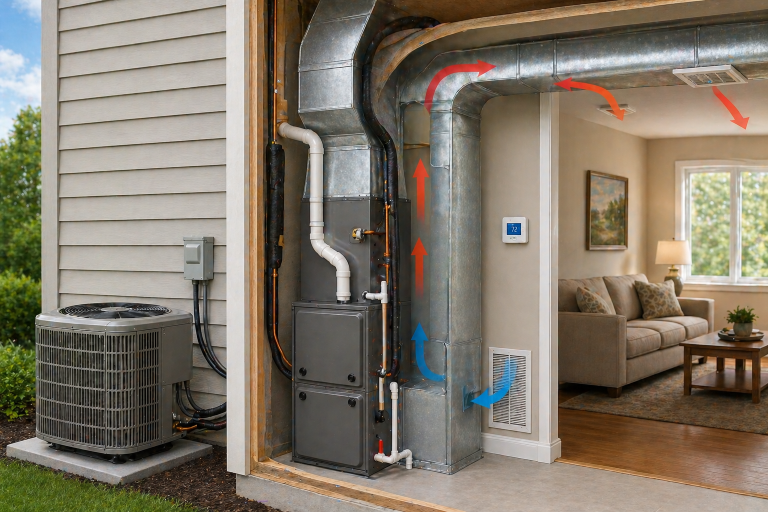
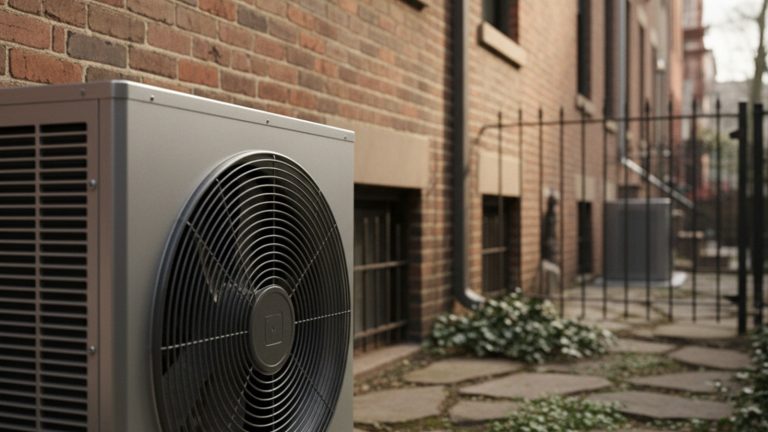
The physical difference between heat pumps vs. air conditioners is surprisingly small. From the street, they look nearly identical. Both use an outdoor condenser unit and an indoor coil/air handler (or coil paired with a furnace) to move heat.
In cooling mode, they operate the same way. That’s why their cooling efficiency ratings (often listed as SEER2) can be very similar when you compare apples to apples.
The difference comes down to one added component in a heat pump: the reversing valve. Think of it as a switch that changes the direction of heat flow.
- In summer, both systems push heat out of your home.
- When heating is needed, a heat pump flips the valve and runs the cycle in reverse, pulling heat from the outdoor air and moving it indoors.
That last point matters. Electric resistance heat is about 100% efficient (it turns electricity directly into heat). A heat pump can be much more efficient because it moves heat instead of creating it. That efficiency shows up in its heating rating (often listed as HSPF2), and it’s where the savings can be substantial.
A Side-by-Side System Breakdown
Seeing the differences laid out helps. This isn’t about which system is “better,” but what each one can actually do.
| Feature | Central Air Conditioner | Heat Pump |
|---|---|---|
| Primary Function | Cooling | Cooling and Heating |
| Heating Method | None (requires a separate heating system, like a furnace or boiler) | Pulls heat from outdoor air (often with backup heat in cold snaps) |
| Key Component | Compressor, coils | Reversing valve, compressor, coils |
| Operating Mode | One-way | Reversible |
| Best Paired With | An existing heating system (furnace or boiler) | Standalone (all-electric) or a hybrid setup with an existing heating system |
One system is cooling-only and depends on a separate heater. The other can cool and provide heat, either as the main system or alongside existing heat in a hybrid setup.
Your Bill and the Long-Term Math
Now to cost. A central AC replacement is often in a similar ballpark to a heat pump replacement when you’re comparing similar quality equipment and similar install complexity. In Massachusetts, many installs also qualify for Mass Save incentives when the work is done by participating contractors and the equipment meets eligible cold-climate criteria.
Where things change is in winter. Cooling costs are often similar for both. Heating is where a heat pump can shine.
- If you currently heat with electric resistance (baseboards/electric furnace), a heat pump can dramatically reduce winter electric use.
- If you heat with inexpensive natural gas, the savings are usually smaller.
- In very cold weather, some heat pump setups rely on auxiliary heat, which can cost more to run.
In Massachusetts, where electricity rates can be high, the best setup comes down to your exact kWh price and what you’re replacing (gas, oil, propane, or electric resistance).
Climate Is the Ultimate Judge
The old advice was simple: heat pumps in warm regions, furnaces in cold ones. That line has blurred, but climate still matters.
Modern cold-climate heat pumps can heat effectively in low temperatures, but their output and efficiency drop as it gets colder. In mild or moderate winters, they perform extremely well. In long, deep-cold stretches, a hybrid system often makes the most sense: the heat pump handles most of the season, and existing gas heat carries the coldest snaps.
- Choose a heat pump if: you don’t have gas, winters are moderate, and you want one system year-round.
- Choose an AC if: you already have a reliable heating system you plan to keep and only need cooling.
- Consider a hybrid if: you want electric efficiency most of the year with a backup heat source for the coldest days.
The Critical Role of Proper Installation
Even the best system won’t perform well if it’s installed poorly. Sizing mistakes are common. Too small, and the system struggles. Too large, and it short-cycles, hurting comfort and humidity control.
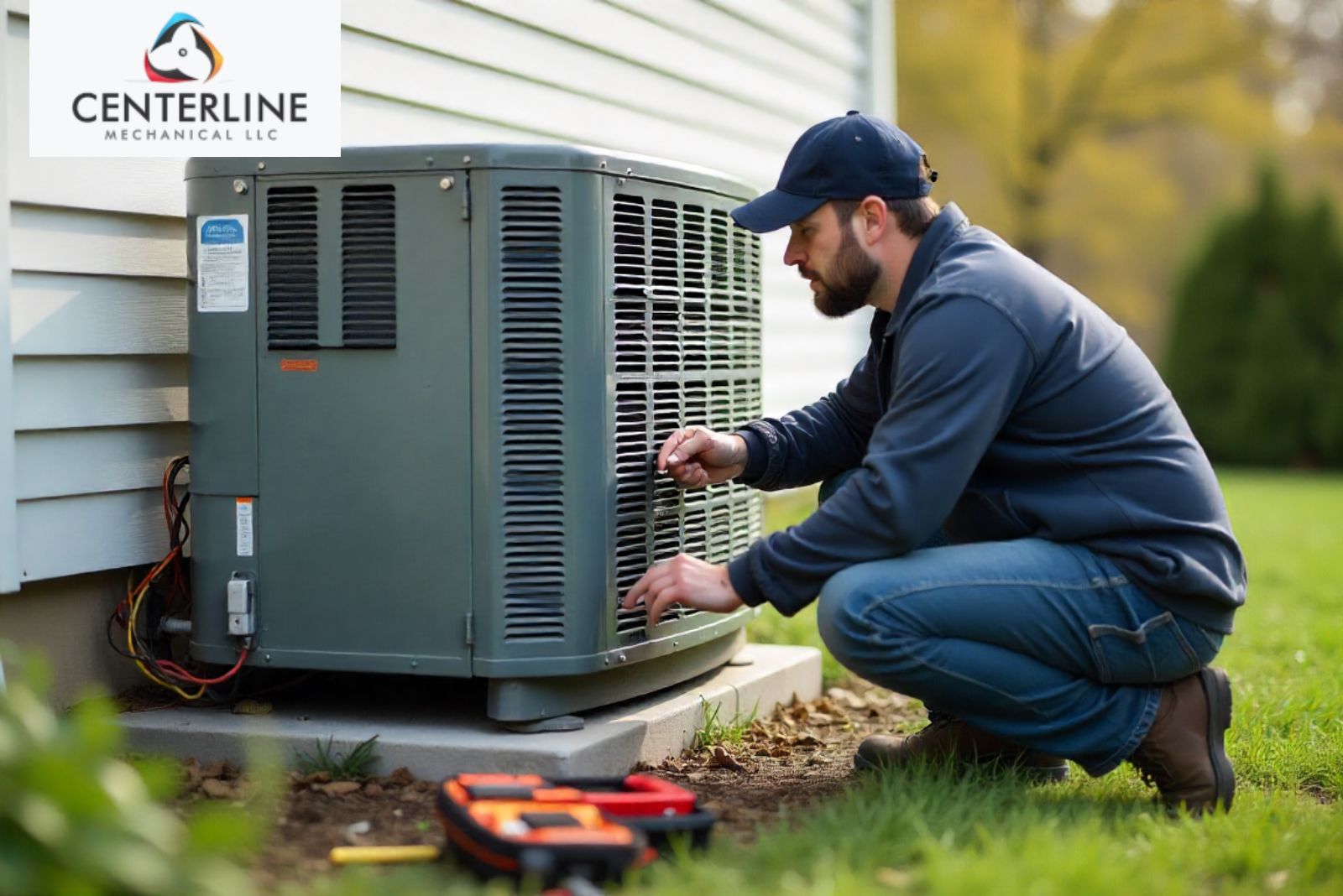
Correct refrigerant charge, good airflow, and compatible ductwork matter. If airflow is compromised by buildup or restrictions, it can impact comfort and efficiency and may require professional attention.
FAQs
What is the main difference between a heat pump and an air conditioner?
An air conditioner only cools. A heat pump cools in summer and heats in winter by reversing the refrigeration cycle.
Do heat pumps and air conditioners cool the same way?
Yes. The cooling process is essentially the same. The difference is that a heat pump can reverse that process to provide heat.
Can a heat pump really heat a house in winter?
Yes. Even cold air contains heat energy. Cold-climate models are designed to heat effectively at low outdoor temperatures, though output drops as temps fall.
Is a heat pump more expensive than an air conditioner?
It can be slightly higher upfront, but incentives and winter operating costs can change the math depending on what you currently use for heating.
How do I choose between a heat pump and an air conditioner?
Look at your winter climate, your current heating setup, your electricity rate, and whether you’re replacing heating + cooling or cooling only. Get multiple quotes and compare the full system plan, not just the equipment.
Making Your Final Decision on Heat Pumps vs. Air Conditioners
In the end, you’re choosing between two systems that look nearly identical but serve different roles. The air conditioner is a specialist that works alongside a separate heating system. The heat pump is a flexible option that handles both heating and cooling.
Ready to estimate your potential savings? Gather your quotes and run the numbers with Centerline Mechanical.