
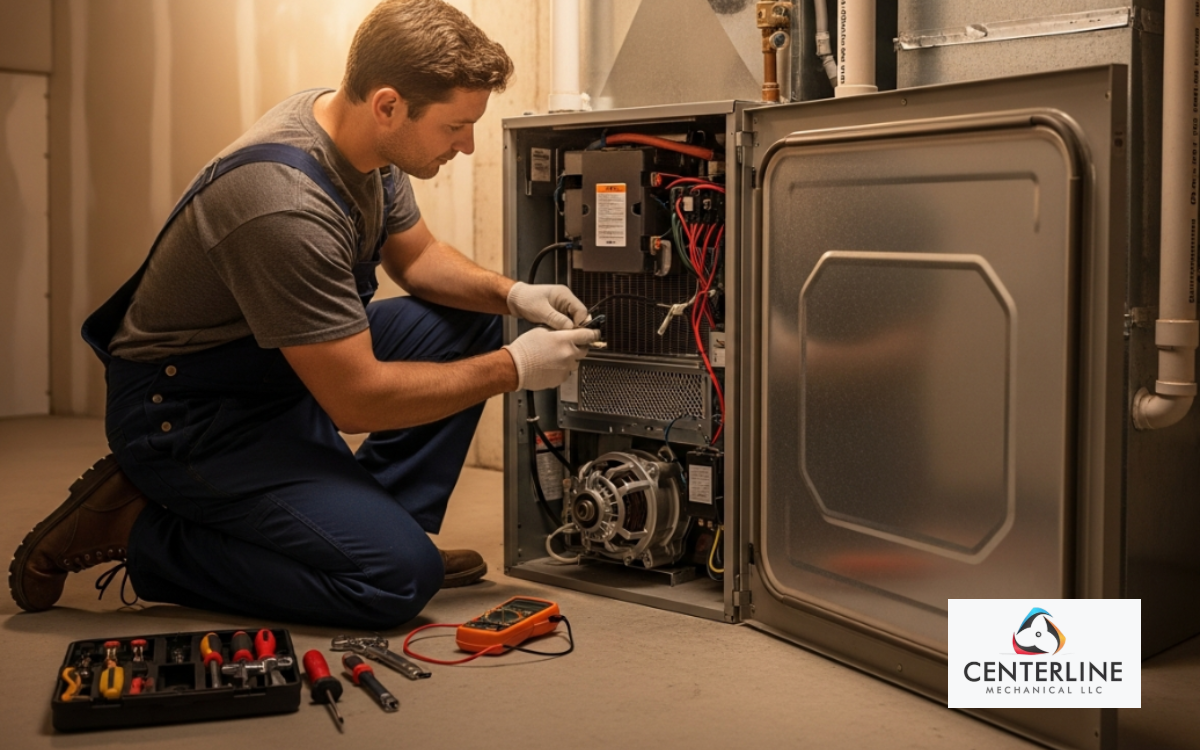
Short answer: plan on having your HVAC system looked at twice a year. That cadence isn’t marketing fluff, it’s what actually keeps most systems running without surprises. Spring is for cooling prep. Fall is for heating prep. Simple.
We’ve seen plenty of systems limp through a season because they skipped one of those visits. It usually works… until the first heat wave or cold snap. That’s when small, cheap issues turn into expensive emergencies.
If you want to keep your energy bills low and extend the life of your unit, stick around to learn exactly when you need to call a pro.
Key Takeaways
- Twice a year works for most homes. One spring visit for AC, one fall visit for heat.
- Use changes everything. Older systems, homes with pets, or nonstop runtime often need extra attention.
- Maintenance costs less than repairs. Tune-ups catch problems early and keep energy bills from creeping up.
Recommended HVAC Service Frequency
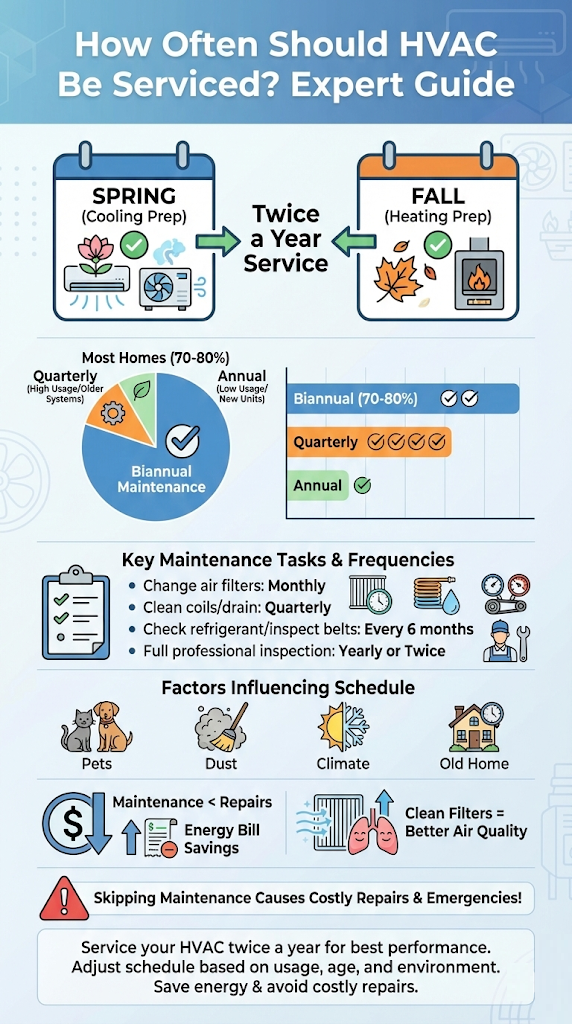
Knowing when to schedule your HVAC service matters just as much as calling at all. A good schedule keeps your system predictable, and boring is good when it comes to HVAC.
Twice-Yearly Professional Maintenance
For most homeowners in Worcester County, twice-a-year service is the sweet spot. [1] It lines up with manufacturer recommendations and keeps warranties intact.
In the spring, the visit is all about cooling. Refrigerant levels get checked. Coils get cleaned. Airflow gets dialed in.
Come fall, the attention shifts to heat. The furnace or heat pump is inspected for safety, efficiency, and reliability, because no one wants to discover a problem at 2 a.m. in January.
Skip these visits and the system usually lets you know at the worst possible time. Stick to them, and your equipment just does its job quietly in the background.
Alternative Schedules
While twice a year is standard, some situations call for a different approach. You might need to adjust your calendar based on the specific type of equipment you own.
Not every system needs the same level of care.
If you’ve got a newer unit that barely runs, say, in a guest house or a lightly used space, once-a-year service can be enough. I’ve seen plenty of those systems stay in great shape with minimal use.
That said, always double-check the warranty. Some manufacturers are strict about maintenance intervals, even if the system feels “fine.”
On the other hand, high-usage setups require more attention. If you run your system year round or live in an older home with drafty windows, your unit works harder.
Some setups work harder than others.
If your system runs almost nonstop, lives in an older home, or deals with extreme conditions, quarterly checkups can make sense. Same goes for certain environments.
A few examples:
- Vacation homes: Annual service usually does the trick.
- Commercial spaces: High demand means quarterly visits are common.
- Dusty or high-pollen areas: Filters and coils clog faster. They just do.
Homes near dirt roads, construction, or heavy tree cover see more buildup than people realize. Adjusting your maintenance schedule to match your environment isn’t overkill, it’s cheaper than replacing parts early.
Factors Influencing Your HVAC Service Schedule

There’s no universal rule here. Your system’s age, workload, and surroundings all matter. That’s why maintenance plans should fit the home, not a template.
System Age and Condition
The age of your HVAC units plays a huge role in how often they need care. New systems are generally robust, but time takes a toll on mechanical parts.
Older HVAC systems naturally have more wear and tear. If your furnace or air conditioner is over ten years old, it is more likely to drift out of calibration. Parts loosen, belts wear out, and electrical connections can corrode.
For these aging units, or for systems with a history of repairs, we suggest biannual or even more frequent servicing. This extra attention helps you avoid total system failures.
It allows us to nurse an older unit along for a few more years before you have to invest in a full HVAC system replacement. Keeping a close eye on an old system is cheaper than buying a new one unexpectedly.
Usage and Climate
How you use your system and where you live also dictates the schedule. In Massachusetts, we deal with freezing winters and humid summers, which puts a lot of stress on your gear.
If your system runs all day, every day, it accumulates dirt and wear much faster than a system that only runs a few hours a day. Heavy daily operation demands additional maintenance.
Harsh environments matter too. If you live near a dirt road, active construction, or in a heavily wooded area, dust and debris will clog your outdoor unit quickly. In these scenarios, you cannot rely on the standard schedule.
You need to clear debris and check filters more often to maintain proper airflow. Ignoring the environment outside your home is a quick way to damage your condenser coils.
Homeowner Tasks
You do not always need to wait for a truck to pull into your driveway to take care of your system. There are several simple things you can do to help.
The most critical task is changing your air filters. You should check them monthly. If they look dirty or gray, swap them out. A clogged filter forces your blower motor to work harder, which drives up energy costs.
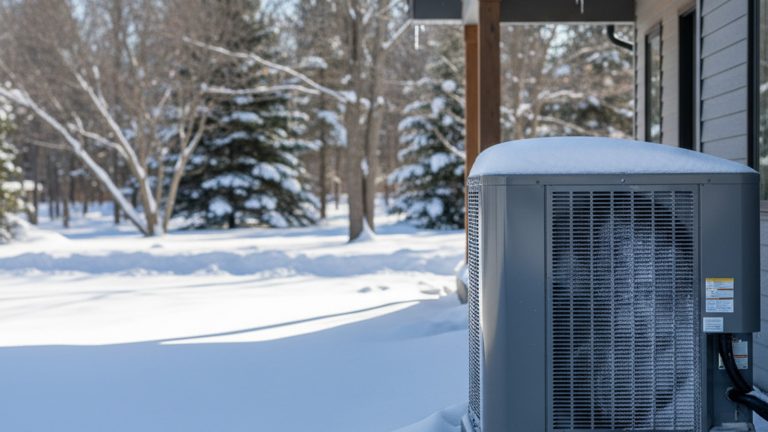
You should also look at your outdoor unit. We recommend quarterly coil cleaning or at least rinsing off the cabinet with a hose (gently) to remove pollen and leaves.
Here is a quick list of things you can do yourself:
- Check Filters: Look at them every 30 days.
- Clear Debris: Keep leaves two feet away from the outdoor unit.
- Listen: Pay attention to strange rattles or bangs.
Keeping the area around your unit clear allows for better airflow and helps the system running efficiently between professional visits. Small efforts from you make our job easier and your bills lower.
Benefits of Regular HVAC Servicing
Spending money on maintenance might feel like a chore, but it pays off. The benefits of regular hvac maintenance go far beyond just checking a box.
Early Issue Detection
The real value of a tune-up is finding the little stuff before it causes a bigger mess. Most problems don’t show up all at once. They start small, a loose wire, a weak capacitor, a belt that’s starting to crack.
Those are easy fixes when you catch them early. Left alone, they turn into no-heat calls in January or a dead AC on the hottest day of July. We see it every year.
Spending a little time on prevention saves you from scrambling for emergency service later. Replacing a $20 part now beats replacing a compressor later. Every time.
Improved Efficiency and Lower Costs
No one enjoys opening a high utility bill. The good news is, most systems waste energy long before they actually break.
During a maintenance visit, we clean the parts that collect dirt and make sure everything is set up the way it should be. Refrigerant levels are a good example. When they’re off, even slightly, the system has to work harder to keep up.
When everything’s clean and properly adjusted, your system reaches the set temperature faster and shuts off sooner. That alone can cut energy use noticeably. In many homes, the savings over a year come close to paying for the tune-ups themselves. Less runtime. Less wear. Lower bills. Simple math.
Enhanced Air Quality
Your HVAC system moves air all day long. Whatever builds up inside it ends up moving through your house too.
Dust, pollen, pet hair, and moisture don’t disappear on their own. They settle inside the system and ductwork. Without regular cleaning and filter changes, that stuff gets pushed right back into your living space.
Routine service clears out buildup and keeps airflow clean. Homeowners with allergies usually notice the difference first, less dust, fewer smells, and air that feels lighter. It’s not just about temperature. It’s about what you’re breathing every day. [2]
Prevents Costly Repairs and Extends Lifespan
HVAC systems cost real money, and nobody wants to fund an HVAC system replacement before they have to. Routine maintenance keeps parts from grinding themselves to death.
When things stay clean and aren’t overheating or straining, the system just lasts longer. That’s the reality we see in the field.
There’s also the warranty side of things. Many manufacturers won’t cover repairs unless the system has been serviced regularly. We’ve seen claims denied over missed maintenance. Staying on schedule protects you from that headache and helps your system reach its full lifespan instead of burning out early.
HVAC Maintenance Checklist
To help you stay on track, we have put together a simple checklist. This table shows what needs to be done and when so you are never guessing.
Task and Frequency Table
It helps to see everything in one place so you can plan your year. Here is a breakdown of common tasks for both homeowners and professionals.
| Task | Frequency |
| Change air filters | Monthly |
| Clean coils/drain | Quarterly |
| Check refrigerant | Every 6 months |
| Inspect ductwork/belts | Every 6 months |
| Full pro inspection | Yearly or twice |
Using a checklist like this ensures nothing slips through the cracks. It helps you distinguish between what you can handle on a Saturday morning and when you need to call us. Sticking to this schedule is the secret to a comfortable, efficient home.
Frequently Asked Questions
How do I know the right number of times to schedule HVAC maintenance for my home?
The number of times you schedule HVAC maintenance depends on how your system works day to day. Homes with older HVAC systems, pets, or higher energy use often need frequent servicing.
A good HVAC specialist can look at wear and tear, energy bills, and how your heating and cooling system operates before recommending maintenance schedules that prevent major problems and unexpected breakdowns.
Can HVAC maintenance really help with rising energy costs?
Yes, regular HVAC maintenance plays a big role in controlling energy costs. When an air conditioner or heating system is dirty or low on refrigerant levels, it causes higher energy use.
During a service call, we usually find dirt buildup or airflow problems that don’t look serious but force the system to run longer than necessary. Fixing those small issues takes pressure off the equipment. When the system isn’t straining, it runs shorter cycles and uses less power, which shows up as lower energy bills over time.
What should I look at before signing up for an HVAC maintenance plan?
When you consider HVAC maintenance plans, think about peace of mind and how often you want reminders. Most maintenance plans cover basic tune-ups, reminder scheduling, and faster service when something goes wrong.
The real value is consistency. Your system gets looked at on a regular basis instead of being ignored until it breaks.
They help catch potential issues and underlying issues early, which keeps the HVAC system running smoothly through the winter season and cooling season without costly repairs.
Is HVAC servicing different for older homes?
Yes, older homes often need more attention. Older HVAC systems usually require frequent servicing because parts wear down faster. Regular servicing helps keep the HVAC system safe, supports indoor air quality, and reduces strain on heating systems and air conditioning systems. This approach helps avoid issues before they become major and keeps heating and cooling reliable.
What actually happens if I put off HVAC maintenance?
Putting off maintenance doesn’t shut the system down right away. It just slowly wears it out, one season at a time. You end up paying more on energy and dealing with repairs that could have been avoided.
A maintained HVAC system lasts longer, avoids higher energy use, and keeps the air conditioner and heating system working when you need them most. If you want fewer surprises, schedule HVAC maintenance and service your HVAC system before problems start.
Final Thoughts
Looking after your HVAC system isn’t complicated, but it does matter. A couple of professional visits a year go a long way toward avoiding breakdowns, keeping energy costs in check, and getting the most out of your equipment.
If it’s time for a seasonal tune-up, or if something doesn’t sound quite right, reach out to Centerline Mechanical. We’ll take care of the system so you don’t have to think about it again until the next season rolls around.
References
- https://www.energy.gov/energysaver/operating-and-maintaining-your-heat-pump
- https://www.epa.gov/iaq-schools/heating-ventilation-and-air-conditioning-systems-part-indoor-air-quality-design-tools