
Heat pumps are gaining traction across Massachusetts thanks to strong rebates, improved cold-weather performance, and the ability to heat and cool with one system. But they are not a perfect fit for every home. The biggest tradeoffs typically come down to higher upfront costs, increased reliance on electricity, and installation challenges in older New England properties.
Performance in extreme cold has improved significantly, but it is still a factor to consider depending on your home and system design. Understanding these downsides upfront helps homeowners make a more informed decision instead of assuming a heat pump is always the best option.
Higher upfront costs compared to traditional systems
One of the first things homeowners notice is the price. A heat pump system often costs more upfront than a traditional furnace or boiler, even before installation complexity is factored in.
Part of this comes from the equipment itself. Heat pumps are more advanced systems that handle both heating and cooling, which means you are effectively replacing two systems with one. That added functionality increases the cost of the unit.
Installation is another major driver. Running refrigerant lines, installing multiple indoor units in ductless systems, or modifying existing ductwork can add labor time quickly. In many Massachusetts homes, especially older ones, installation is rarely straightforward.
There are also electrical considerations. Heat pumps rely entirely on electricity, so some homes need panel upgrades or additional circuits to support the system safely. That work alone can add a few thousand dollars to the project.
While rebates and tax credits can offset a large portion of the cost, the initial sticker price is still higher than many homeowners expect.
Cold weather performance limitations
Massachusetts winters are a real test for any heating system, and this is one of the most common concerns with heat pumps.
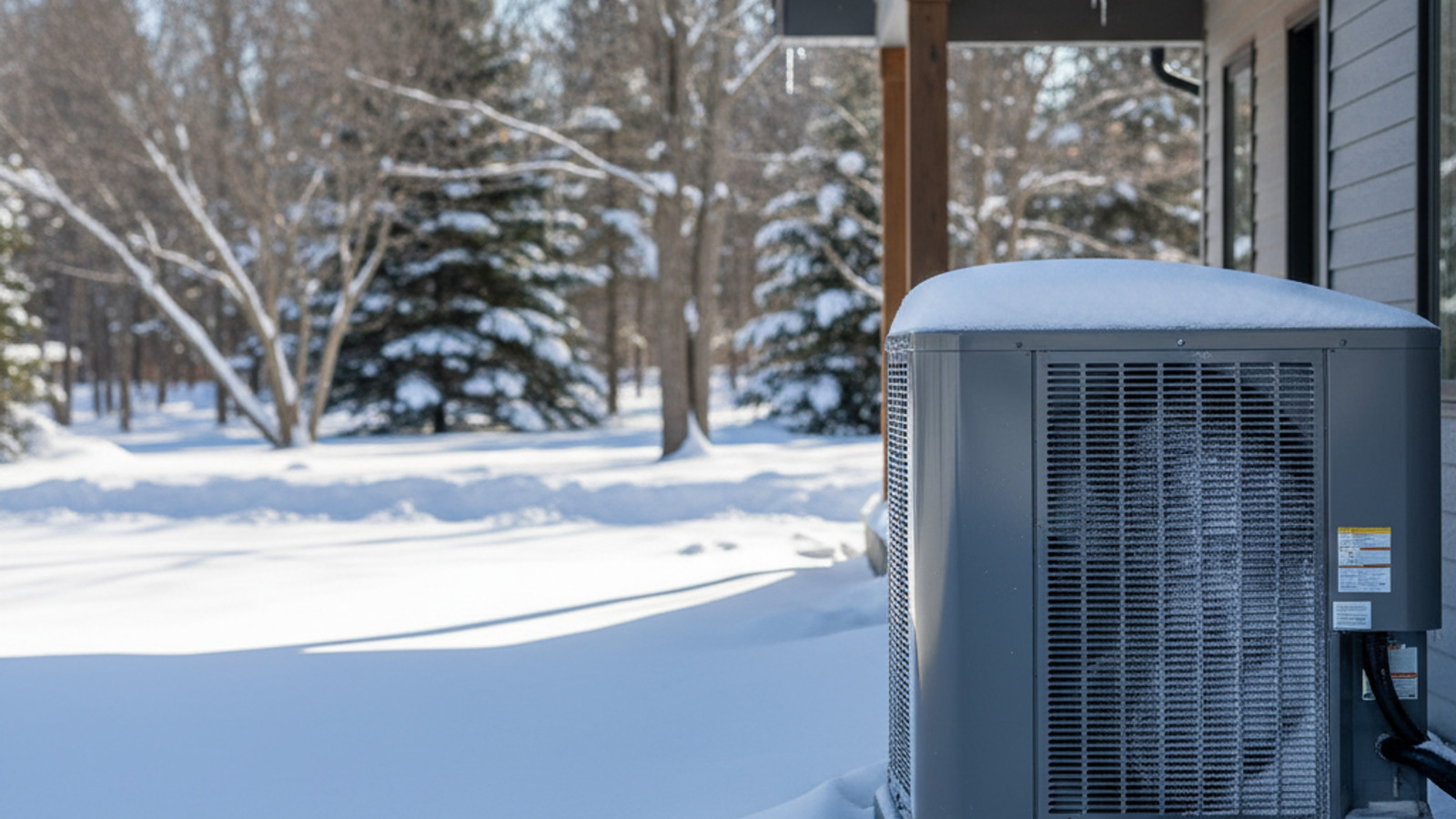
Modern cold-climate heat pumps are designed to operate efficiently well below freezing, and many can continue producing heat even when temperatures drop into the single digits. That said, efficiency does decline as outdoor temperatures fall.
In extreme cold, a heat pump may need to work harder to maintain indoor comfort. In some cases, a backup heat source—like electric resistance heat or a secondary system—is used to supplement performance during the coldest days.
For well-insulated homes with properly sized systems, heat pumps can handle Massachusetts winters without major issues. However, in drafty or poorly insulated homes, performance can feel less consistent compared to a traditional furnace blasting hot air.
Increased reliance on electricity
Yes, heat pumps shift your energy usage toward electricity. If you are coming from oil, propane, or gas, your electric bill will likely increase.
The tradeoff is that you are using electricity more efficiently. Instead of generating heat, a heat pump moves it, which can result in lower overall energy consumption compared to electric resistance heating.
However, Massachusetts has relatively high electricity rates, so monthly costs depend heavily on your current system. Homeowners switching from oil or propane often see savings, while those switching from natural gas may see less dramatic differences.
The key point is that your energy profile changes. You are trading fuel costs for electricity costs, and the outcome depends on your home, system efficiency, and usage patterns.
Installation challenges in older Massachusetts homes
In many cases, yes. Older homes across Massachusetts present unique challenges that can complicate heat pump installation.
Homes without existing ductwork often require ductless mini-split systems, which involve installing multiple indoor units throughout the home. While effective, this can change the look and feel of interior spaces.
If a home does have ductwork, it may not be designed for a heat pump system. Older ducts can be undersized, leaky, or poorly routed, requiring upgrades to ensure proper airflow.
Electrical systems are another common hurdle. Many older homes were not designed for the electrical demands of modern HVAC systems, so panel upgrades or additional wiring may be necessary.
These factors do not make installation impossible, but they do add complexity and cost compared to installing a traditional system in the same home.
Ongoing maintenance requirements
Heat pumps require regular maintenance, similar to other HVAC systems, but with a few additional considerations.
Because they operate year-round—providing both heating and cooling—they tend to accumulate wear faster than systems used only in one season. Filters need to be cleaned or replaced regularly, and outdoor units should be kept clear of debris, snow, and ice.
Professional maintenance is typically recommended once or twice a year to check refrigerant levels, inspect components, and ensure the system is running efficiently.
Ductless systems require cleaning of individual indoor units, which can be more hands-on than maintaining a single central system. Neglecting maintenance can lead to reduced efficiency and performance issues over time.
While not overly burdensome, maintenance is an ongoing responsibility that should not be overlooked.
How can homeowners decide if a heat pump is right for them?
Deciding whether a heat pump makes sense comes down to balancing upfront cost, long-term savings, and how your home is set up.
Start by looking at your current heating system and energy costs. If you are relying on oil, propane, or electric baseboard heat, a heat pump often presents a strong case for both savings and efficiency.
Consider the condition of your home. Well-insulated homes with modern electrical systems are typically better candidates. Older homes may still work, but often require additional upgrades.
Think about how long you plan to stay in the home. Heat pumps tend to deliver more value over time, so longer-term homeowners benefit the most.
Finally, work with a contractor who understands Massachusetts-specific conditions and incentive programs. A properly designed system makes a significant difference in both performance and overall satisfaction.
FAQs
Do heat pumps work well in Massachusetts winters?
Yes, modern cold-climate heat pumps are designed to perform in Massachusetts winters. However, efficiency decreases in extreme cold, and some systems may rely on backup heat during the coldest periods.
Are heat pumps more expensive to run?
It depends on your current system. Homeowners switching from oil or propane often see savings, while those switching from natural gas may see smaller differences. Electricity usage will increase, but overall efficiency may offset some of that cost.
Do I need to upgrade my electrical panel for a heat pump?
In some cases, yes. Older homes may require electrical upgrades to support the system. This depends on your current panel capacity and the size of the heat pump being installed.
Is a heat pump worth it despite the disadvantages?
For many Massachusetts homeowners, the answer is yes—especially with available rebates and long-term energy savings. However, the decision should be based on your home’s condition, your budget, and your long-term plans rather than assuming it is the right fit for every situation.