
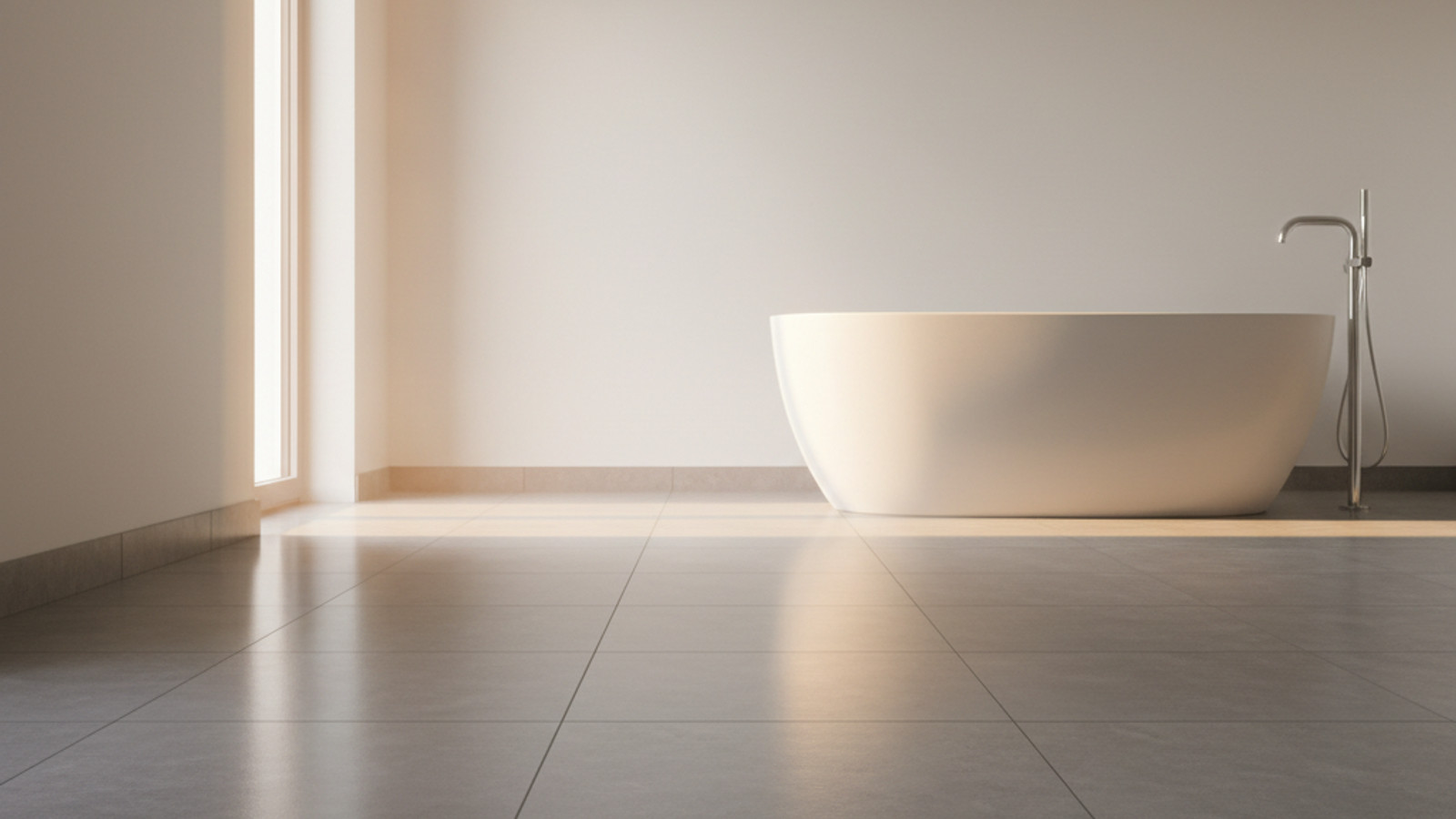
Imagine stepping out of the shower onto a perfectly warm bathroom floor on a chilly January morning. That cozy, luxurious feeling is radiant heat in action.
At its core, radiant heat is the transfer of thermal energy directly from a warm surface to the people and objects in a room. It relies on infrared radiation and thermal radiation to warm things up, much like the gentle heat you feel from a hot stovetop or sunlight resting on your skin. Instead of blasting hot air into a space, it gently warms you from the ground up.
Traditional heating systems focus on warming the air, which naturally rises to the ceiling and leaves your toes freezing. Radiant heating systems do the exact opposite by heating objects and people directly rather than just heating the empty air. Because of this unparalleled comfort, we are seeing these setups become incredibly popular in modern home improvements. If you are browsing homes for sale in the area, spotting radiant floors is usually a sign of a premium, well-thought-out build.
How Does Radiant Heating Work in Homes?
To understand how this works, we have to look at the basic physics of heat transfer. Radiant floor heating turns your entire floor into a giant, low-level radiator that delivers comfortable heat upward.
The system works by warming the floor surface, which then radiates heat evenly across the room. This completely eliminates those annoying cold spots you often get near windows or exterior walls by providing uniform temperature distribution. It warms the lower half of the room first – right where you are actually sitting, standing, or walking – before the heat slowly rises.
The Department of Energy regularly praises radiant heating for its impressive efficiency. You will most commonly see this technology installed under bathroom floors or used for entire home heating in custom builds. Occasionally, you might even spot radiant panels installed in walls or ceilings, though underfloor heating is by far the most popular choice for residential spaces.
Types of Radiant Heating Systems: Electric vs. Hydronic
When you start looking at radiant heating and cooling options, you will quickly notice they fall into two main categories. Understanding the power source is crucial for mapping out your utility budget.
The two primary types of residential radiant heating systems are electric and hydronic. Both of these setups can easily serve as your home’s primary heat source or just act as supplementary heating for a chilly basement or master bath. Let’s break down how each one operates so you can see which makes sense for your property.
Electric Radiant Heating Systems
Electric radiant heating is powered by electric cables or heat-conducting mats installed directly beneath your flooring. This is generally the go-to option if you are retrofitting an existing home or tackling a small bathroom remodeling project. In fact, electric systems are most often used for specific zones that are under 200 square feet.
One of the great things about electric heating is how fast it warms up your floors. However, it does generally incur higher operational heating costs because local electricity rates tend to be pricier than natural gas. It is a fantastic luxury for small spaces, but it can get expensive if you try to heat a large house entirely with electricity.
Hydronic Radiant Floor Heating
For heating an entire home, hydronic radiant floor heating is the absolute gold standard. This liquid-based system is powered by a boiler or water heater that pumps hot water flowing through durable PEX tubing laid in a specific pattern under the floor.
When discussing hydronics, the boiler driving the system can be fueled by natural gas, oil, or electricity, giving you some flexibility based on local utility prices. While a hydronic setup requires a much higher upfront installation cost, it is the most cost-effective option for whole-house heating. Plus, PEX tubing is incredibly durable, and standard home boiler systems typically boast lifespans of 15 to 20 years, making it a stellar long-term investment.
Radiant Heat vs. Forced Air Efficiency
Most homes rely on traditional forced-air heating, ventilation, and air conditioning (HVAC) systems, but comparing them to radiant heat reveals some stark differences. It really comes down to how the heat actually travels through your living space.
Forced-air systems are notorious for suffering from ductwork heat loss. In fact, leaky or poorly insulated ductwork can account for up to 30 percent of energy loss in a standard home. Radiant systems bypass this issue entirely by delivering heat directly through the floor, making sure every ounce of energy goes toward warming the room.
If you are replacing an old furnace, you will want to weigh the comfort factor. Radiant heating offers incredibly consistent temperatures without the drafts or hot and cold spots caused by blowing air. Because of this efficient energy use, radiant systems can be up to 30 percent more efficient than forced-air heating, which translates to a noticeably lower monthly energy bill.
As a local agent, I also have to point out the noise factor. Forced-air systems kick on with a loud whoosh and a noisy furnace fan, whereas radiant heat operates in complete, blissful silence.
Health Benefits of Radiant Heat
Beyond just saving money on utilities, upgrading your heating system can surprisingly improve your daily health. The indoor air quality advantages of radiant heating are a major selling point for buyers.
Unlike forced-air systems, radiant heat does not blow dust, pet dander, or any other allergen around the house. This makes it an ideal upgrade for homeowners who struggle with allergies, asthma, or respiratory sensitivities. You get a much cleaner living environment without having to constantly buy and change dirty air filters.
Another huge perk is how it handles moisture. Radiant heat maintains much better indoor humidity levels because it does not dry out the air the way a traditional furnace does. Improving indoor air quality is a big priority for many buyers today, and this system delivers on that front beautifully.
The Pros and Cons of Radiant Heating Systems
Like any major home upgrade, radiant floor heat comes with its own set of trade-offs. It is smart to weigh both sides before tearing up your floors.
On the plus side, the pros are hard to beat. You get unmatched comfort, high energy efficiency, silent operation, great health benefits, and an entirely invisible installation. You never have to arrange your furniture around clunky baseboards or floor vents again.
However, the cons are definitely worth your attention, particularly the high upfront installation cost. Additionally, if the tubes or wires ever fail beneath the floor, they can be difficult and expensive to access for repairs. Here is a quick at-a-glance look at approximate installation costs:
- Electric systems: $10 to $20 per square foot.
- Hydronic systems: $15 to $25 or more per square foot.
You also need to consider your flooring choices. Radiant heat works beautifully with highly conductive materials like tile, stone, or concrete. It is far less effective under thick carpet, which acts as an insulator and traps the heat below the surface. If you are choosing the best flooring materials for a renovation, hard surfaces are definitely the way to go.
Installation Considerations and Preventing Radiant Heat Loss
If you decide to take the plunge, proper installation is the only way to ensure your new system actually performs well. You have to make sure the heat goes up into your room, not down into the dirt or basement.
This is where thermal insulation becomes absolutely critical. You need proper insulation beneath the radiant tubes or mats to direct the heat upward. Installers typically use specialized R-value insulation panels or radiant barriers to make sure the warmth is not wasted.
It is also important to think about overall heat loss in your home. Drafty windows or poor attic insulation will force your system to work harder, which directly affects the size and power of the radiant setup you need. If you are retrofitting an existing home, keep in mind that you will often have to raise the floor height by a fraction of an inch to accommodate the new system.
Because of these complexities, this is not a weekend DIY project. I always recommend hiring certified contractors or a radiant heating specialist to handle the installation and perform accurate heat-load calculations.
Frequently Asked Questions
I get a lot of questions from buyers and sellers about how these systems perform in the real world. Here are a few of the most common things people ask when exploring radiant heat.
Is radiant heating expensive to run?
While the initial installation can be pricey, radiant heating is actually very cost-effective to run over time. Hydronic systems, in particular, can lower your monthly energy bills by up to 30 percent compared to traditional forced-air setups. In our local market, homes with high-efficiency boilers often see significant winter savings that help offset the upfront costs.
What is radiant heat in simple words?
Radiant heat is a method of warming a room by heating the floor directly, which then transfers warmth to the people and objects above it. Instead of blowing hot air through vents, it uses electric mats or hot water tubes hidden under the floorboards. It feels very similar to standing on a sun-warmed patio.
Can radiant heat also cool a house?
Yes, hydronic radiant cooling systems are becoming a popular modern alternative for climate control. By running chilled water through the floor tubes instead of hot water, the system can absorb heat from the room. However, you do need specialized humidity controls to prevent condensation from forming on your floors during humid summer months.
Do radiant heating systems impact the resale value of a home?
Upgrading to radiant heat absolutely adds premium appeal to a property. Buyers consistently look for energy-efficient upgrades, and a warm bathroom floor is a major luxury selling point. While you might not recoup a 100 percent dollar-for-dollar return on the installation of a $20,000 whole-house system, it will undoubtedly make your listing stand out in a competitive real estate market.