
If you’re asking why is my HVAC not blowing cold air, it usually means the cooling sequence is getting interrupted. The thermostat has to call for cooling, air has to move freely across the indoor coil, and the system has to dump heat outside. When one link fails, you feel warm air at the vents.
Start with the quick checks below. If the signs point to refrigerant or electrical trouble, stop there and call a pro.
Key Takeaways
- Start with thermostat settings and airflow. That’s where most fixable problems live.
- Low refrigerant usually means a leak. That’s professional work.
- If the outdoor unit hums but won’t run, an electrical part may be failing.
Check the Thermostat First
Sometimes the “problem” is just the command.
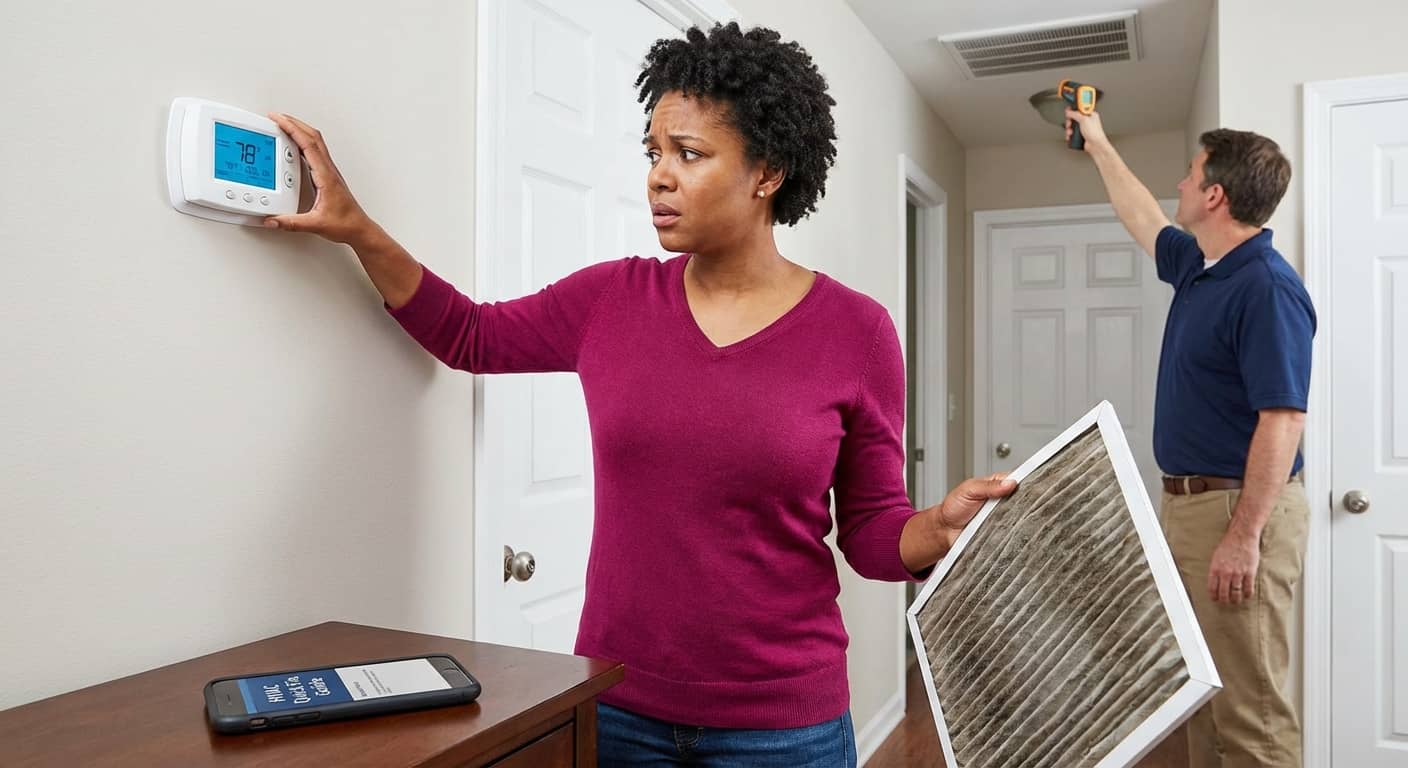
Make sure the thermostat is set to Cool, not Heat or Fan. Then check the fan setting. Fan: On can fool you because it blows air even when the system isn’t cooling. For normal cooling, you usually want Fan: Auto.
Now check the setpoint. A clear cooling call usually means setting the temperature at least 5°F below the current room temperature. If you have a programmable or smart thermostat, confirm a schedule isn’t overriding what you just set.
If your thermostat uses batteries and the screen is acting weird or blank, replace them. Then lower the set temperature several degrees and listen. You may hear a small click. Within a minute or two, the outdoor unit should start. If it never does, you may have a power/control issue.
Airflow Problems: The Most Common Cause
When cooling stops working, airflow is often the real culprit. The indoor coil needs a steady stream of warm air passing over it. If airflow drops, the coil can get too cold, moisture freezes, and the ice blocks airflow even more. Once that happens, you don’t get cold air at the vents, even if the system is “running.”
Start with the filter. If it’s dirty, replace it.
Then check the obvious blockages. Return grilles and supply vents need space. Furniture, rugs, and heavy curtains can reduce airflow enough to hurt cooling, especially in rooms far from the air handler.
If airflow is weak and you suspect ice, don’t force it. Set Cool: Off and Fan: On to help it thaw. Give it a few hours (sometimes up to 24). Don’t chip ice off the lines or coil.
One More Common Culprit: A Clogged Condensate Drain
If the drain line backs up, water can fill the pan and trip a safety switch. The blower may still run, but cooling shuts down to prevent water damage.
If you see water around the indoor unit or the drain pan looks full, shut the system off and call a technician. It can be a simple fix, but ignoring it can become a ceiling or floor repair.
Refrigerant: Where DIY Checks End
Refrigerant is what carries heat out of your home. The system is sealed. It shouldn’t “run low” over time. If refrigerant is low, it usually leaked out.
If refrigerant is low, the system may run constantly without reaching temperature. The coil can also freeze even if the filter is clean and vents are open.
Common signs include air that feels cool but not cold, ice on refrigerant lines, a hissing sound, and higher-than-normal electric bills.
Refrigerant work requires tools, training, and certification. If the signs point to a leak, the best move is to shut the system down if it’s icing and schedule service.
Outdoor Unit Problems: When Heat Can’t Get Out
Even if the indoor side is fine, cooling fails if the outdoor unit can’t reject heat.
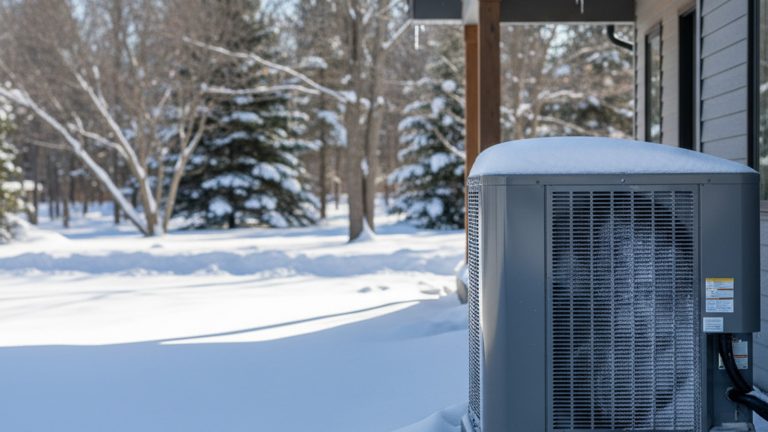
A dirty outdoor coil can trap heat and raise system pressure. If you’re comfortable doing so, shut power off at the disconnect and gently rinse the coil with a garden hose. Avoid pressure washers.
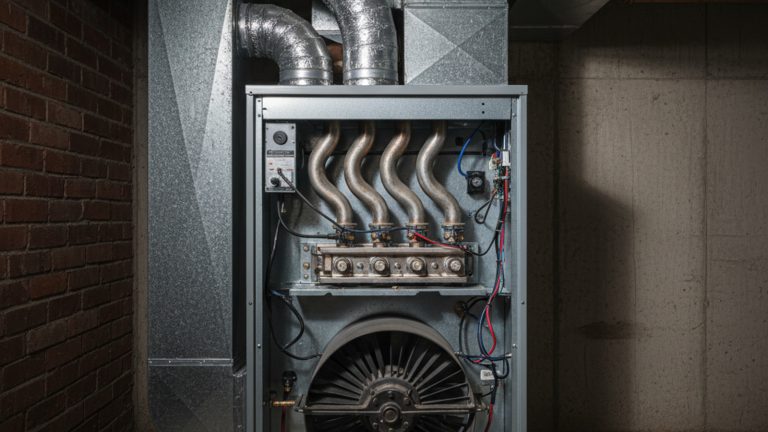
If you hear a loud hum but the fan isn’t spinning, that often points to an electrical component issue. Don’t try to “help it start.” High-voltage parts can be dangerous even when the power is off. This is a call-for-service situation.
When to Call a Professional
If you’ve checked thermostat settings, replaced the filter, cleared vents, and verified the outdoor unit isn’t blocked, and the system still blows warm air, it’s time.
Call a technician right away if you notice:
- Ice that returns after thawing
- Hissing or oil stains near refrigerant lines
- Breaker trips that keep happening
- Burning/electrical smells
- Loud grinding, screeching, or banging
Electrical and refrigerant work aren’t “trial-and-error” tasks. A good technician diagnoses with measurements, not guesses.
Quick DIY Checklist
If you want the fastest sequence, do this in order:
- Thermostat on Cool, fan on Auto, setpoint below room temperature
- Replace the filter if it’s dirty
- Clear returns and vents (no rugs/furniture blocking airflow)
- If iced: Cool Off, Fan On, let it thaw fully
- Check outdoor unit clearance and coil condition
- If it still won’t cool: call a pro
FAQ
Why is my HVAC blowing warm air instead of cold?
Most often it’s airflow or the outdoor unit not running correctly. A dirty filter, blocked return, frozen indoor coil, or an outdoor electrical issue can stop cooling even though air is still moving.
Can a thermostat issue stop my HVAC from blowing cold air?
Yes. Confirm Cool mode, Auto fan, and a setpoint below the room temperature. If the thermostat is calling for cooling but the outdoor unit never starts, you may have a control or power issue.
How do frozen coils affect cooling?
Frozen coils block airflow and heat transfer. Set Cool: Off and Fan: On to thaw, replace the filter, and open vents/returns. If it freezes again, call a technician.
Why is my HVAC not blowing cold air but the fan is running?
That usually means the blower is working but cooling failed. Common causes are Fan set to On instead of Auto, a frozen coil, low refrigerant, or the outdoor unit not starting.
Why is my HVAC not blowing cold air even after changing the air filter?
A clean filter helps, but it won’t fix a refrigerant leak, a dirty condenser coil, a tripped drain safety switch, or an outdoor electrical failure. If the basics don’t restore cooling, schedule diagnostics.
Why is my HVAC not blowing cold air during extreme heat?
Extreme heat stresses the system. Dirty outdoor coils, restricted airflow, weak capacitors, and marginal refrigerant charge often show up on the hottest days because the unit is working at maximum load.
When should I call a professional right away?
Call immediately if ice returns after thawing, you hear hissing, smell burning/electrical odors, or the breaker keeps tripping. Those are not safe DIY problems.
Getting Your Cool Back
Cooling problems usually follow a pattern: thermostat signal, airflow across the coil, and heat release outside. Once you understand that chain, the symptoms make more sense.
If quick checks don’t restore cold air, it’s time to call Centerline Mechanical. A proper diagnosis gets you back to steady, reliable cooling without guesswork.