
When the summer heat arrives, homeowners keep a close eye on their utility costs to budget for seasonal cooling. Many property owners find themselves staring at their mechanical room and wondering how the whole system connects.
A common question that comes up during home inspections and utility audits is whether the cooling system relies on fossil fuels. Knowing exactly what fuels your climate control helps you anticipate seasonal expenses. Understanding the mechanics of your HVAC system is the first step toward managing your home efficiently.
How Your Home’s Air Conditioning System is Powered
The short answer for almost every residential property is that standard central air conditioners run entirely on electricity. Your cooling system relies on a continuous supply of electrical power from your local grid rather than burning fossil fuels.
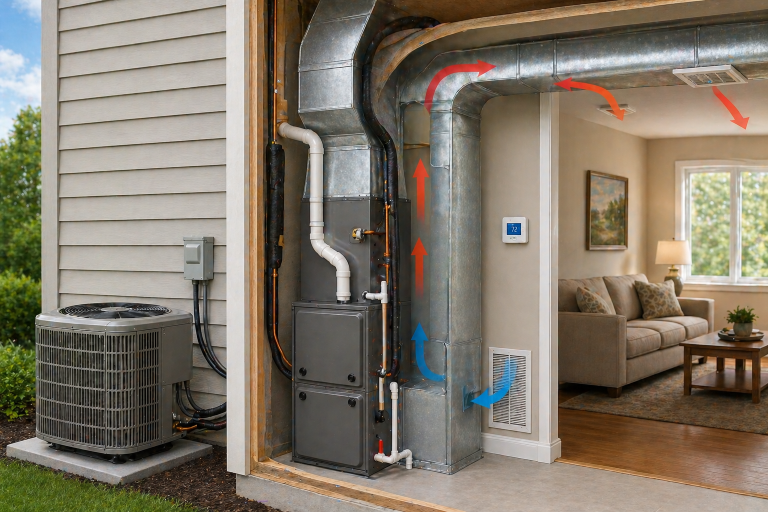
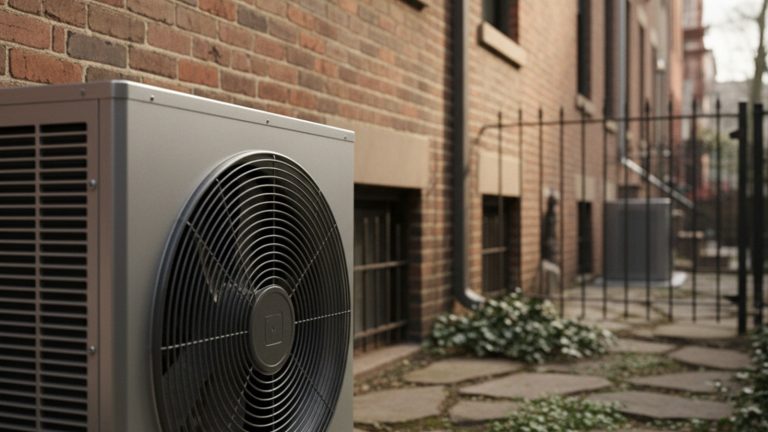
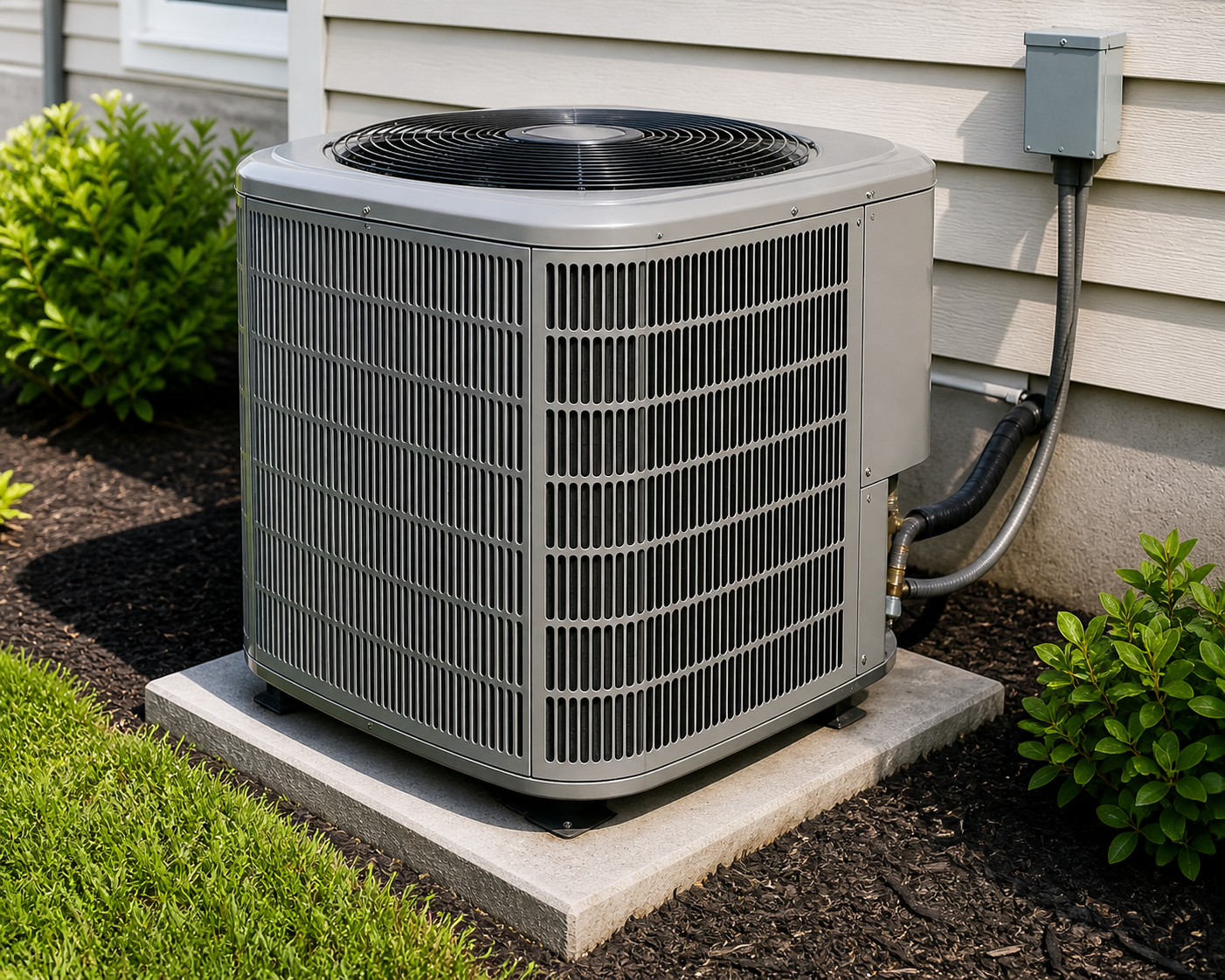
A traditional central air conditioning setup consists of three main components working together. These include the outdoor compressor, the condenser, and the indoor evaporator coil. All of these parts require electrical current to manipulate and circulate refrigerant through the copper lines.
The compressor is the heavy lifter of the entire operation. It consumes a significant amount of electricity to pressurize the refrigerant and transfer heat out of your indoor air. This is why you will notice a sharp increase in your electric power usage during the hottest months of the year.
The Confusion: Why AC and Gas Heating Are Linked
The mix-up regarding power sources usually stems from how residential HVAC systems are physically constructed. In most homes, the electric air conditioner shares crucial infrastructure with the natural gas furnace. They are stacked together in the basement or utility closet, which makes them look like a single gas-powered machine.
Your central air conditioning relies on the furnace’s indoor air handler to distribute the chilled air. Without the furnace fan pushing the conditioned air through the ductwork, the cold would just sit trapped inside the metal casing.
The crucial takeaway is that the blower motor itself runs purely on electricity. Even though it sits inside a furnace that burns natural gas for winter heating, the fan operation requires zero gas. During the summer months, your gas valve sits completely idle while the electric blower does all the distribution work.
How to Identify Your HVAC Power Sources
Figuring out exactly what fuels your specific property requires a quick visual inspection of the mechanical room. You can typically identify a gas furnace by looking for a rigid metal or flexible yellow pipe connecting to the bottom or side of the indoor unit. If you see this pipe, you have a gas furnace, but remember that the outdoor AC unit still runs on electricity.
Your monthly utility statements will also tell the story of how your home operates. During the summer, you should expect to see a sharp spike in your electricity usage while your gas usage drops to near zero. If your gas bill remains high in July, you likely have a gas water heater or a malfunctioning appliance rather than a gas-powered AC.
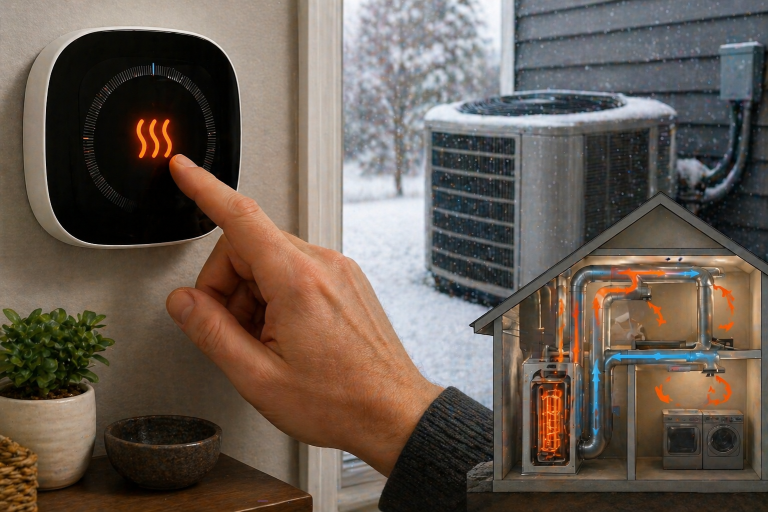
Many modern homes are moving away from split fuel systems entirely. All-electric alternatives like heat pumps are becoming the standard for new construction, handling both heating and cooling without any natural gas connection. Replacing an older split system with a modern heat pump can easily cost around $10,000, but it simplifies utility billing by keeping all climate control costs on the electrical side.
Are There Natural Gas Air Conditioners?
While standard residential units are electric, natural gas air conditioners do exist in very specific applications. These systems are known as absorption chillers or gas-powered heat pumps. They use a complex chemical process driven by a heat source to provide cooling instead of relying on a traditional electric compressor.
You will almost never find these systems in a typical single-family home. They are primarily designed for massive commercial settings, industrial facilities, or specific off-grid scenarios where standard electrical service is unavailable.
For the vast majority of US homeowners, natural gas air conditioning is simply not applicable. Your local HVAC technician will always install an electric condenser for residential cooling. If you are buying a standard home in a typical FL or TX neighborhood, you can confidently plan for an entirely electric cooling bill.
Frequently Asked Questions
Is air conditioning on the gas bill?
No, your central air conditioning usage will not appear on your gas bill. Standard residential AC units run entirely on electricity, meaning your cooling costs will show up exclusively on your electric statement. Your summer gas bill should only reflect usage from appliances like water heaters or gas stoves.
Does my car’s AC use gas?
Yes, the air conditioning in a traditional vehicle relies on the gas-powered engine to turn the AC compressor. Turning on the cold air in your car increases the engine load, which slightly decreases your overall fuel efficiency. This is a distinct difference from a residential home, where the AC operates independently of the gas supply.
Do heat pumps use gas or electricity?
Heat pumps operate entirely on electricity to provide both heating and cooling for a home. They do not burn natural gas, making them a popular choice for homeowners looking to disconnect from fossil fuels. Since they transfer heat rather than generate it, they are highly efficient electrical appliances that can significantly lower utility costs.