
July temperatures in Central Massachusetts push cooling systems to their limits, often prompting homeowners to ask, “why is my ac not cooling my house?” With Eversource and National Grid rates remaining a major part of household budgets in 2026, lowering your summer electric bill requires more than just turning off the unit.
Homeowners across Worcester County are finding ways to cool their properties without draining their wallets. Simple maintenance routines, smart technology upgrades, and state-sponsored rebate programs offer clear paths to reducing energy consumption.
Upgrading and Maintaining Your Current System
A central air conditioning unit loses about 5% of its efficiency every year it goes without proper maintenance. That drop translates directly into higher monthly utility bills as the compressor runs longer to reach the target temperature.
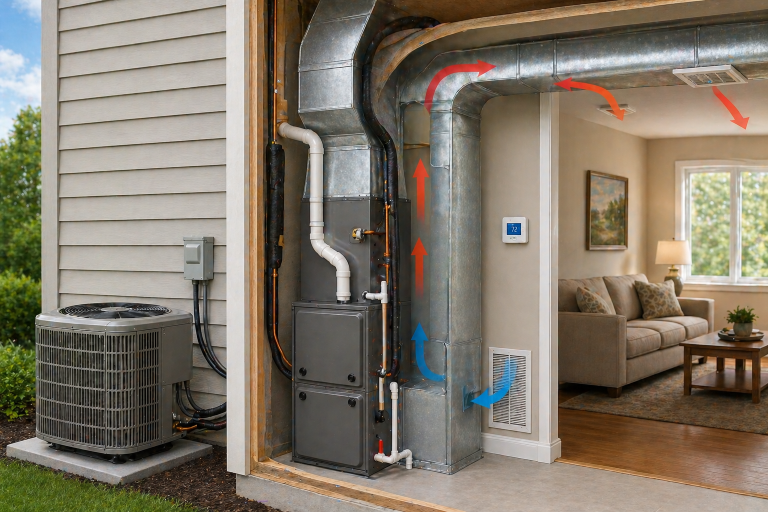
Scheduling an annual tune-up with a local HVAC technician ensures your refrigerant levels are correct and electrical connections are secure. Technicians will also clean the blower motor, which helps the system push cold air through your ductwork with less resistance.
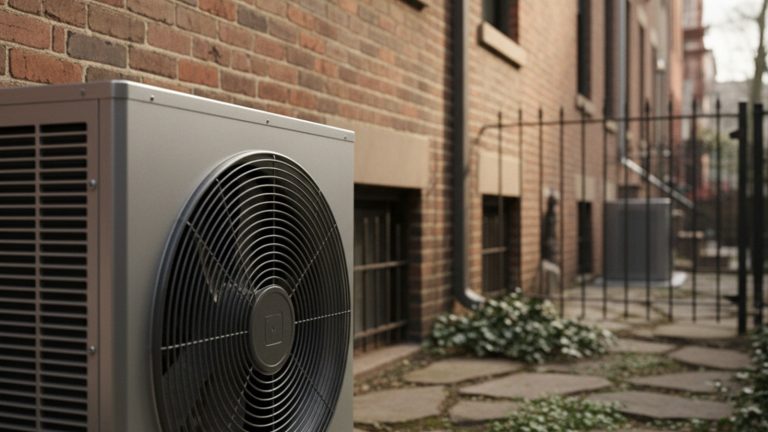
You should also clear the area around your outdoor condenser unit. Brush, tall grass, and debris restrict airflow, forcing the equipment to work harder to exhaust heat from your home.
Routine Filter Replacements
Swapping out your HVAC filter is the easiest way to improve system performance. A clogged filter forces the blower fan to run longer, consuming excess electricity while delivering less cold air to your living spaces.
You should check your filter every 30 days during the peak summer months. Homes with pets or high dust levels often need replacements more frequently than the standard 90-day recommendation printed on most filter packages.
Smart Thermostat Scheduling
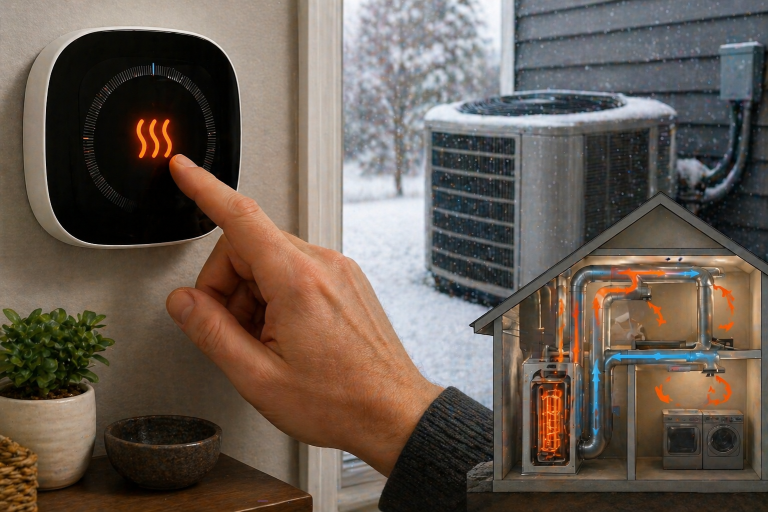
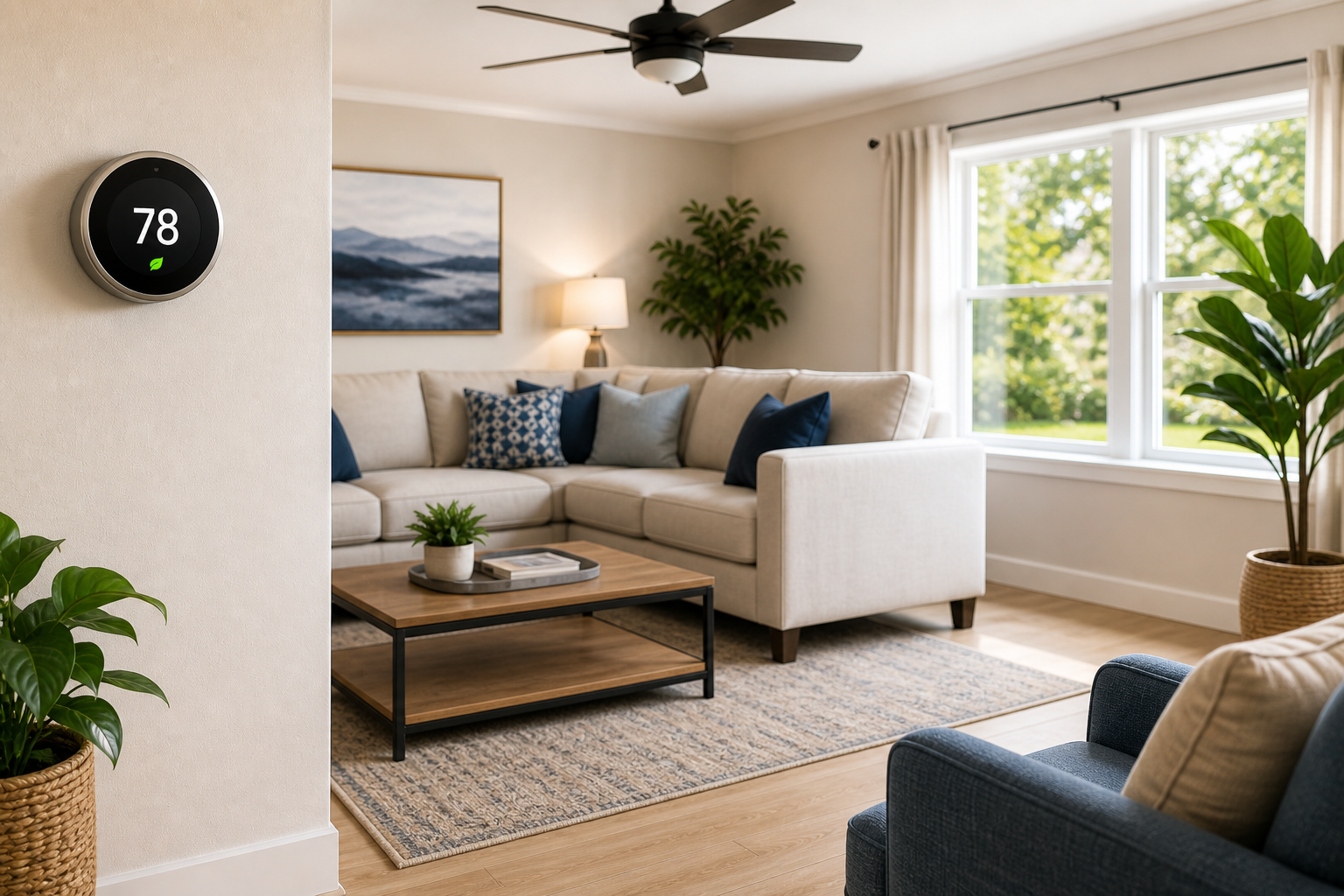
Installing a Wi-Fi-enabled thermostat allows you to align your cooling schedule with your daily routine. Keeping the house slightly warmer while you are at work prevents the system from running unnecessarily during the hottest parts of the afternoon.
Modern devices learn your habits and adjust temperatures automatically to maximize efficiency. You can monitor your daily energy usage through smartphone apps to identify patterns and adjust your settings for further savings.
High-Efficiency Cooling Alternatives for Older Homes
Many historic properties in towns like Shrewsbury, MA and Westborough, MA were built long before central air conditioning became standard. Retrofitting these houses with ductwork often costs tens of thousands of dollars and requires extensive drywall repairs.
Modern heat pump technology provides a workaround for these older structures. These systems deliver targeted cooling without the energy loss associated with leaky ductwork in unconditioned attics or basements.
Upgrading your primary cooling source often yields the highest long-term financial return. While the upfront installation requires capital, the month-to-month drop in electricity usage quickly offsets the initial expense.
Ductless Mini-Split Systems
Ductless mini-splits allow you to cool individual rooms rather than the entire house. You can set the living room to a comfortable 70 degrees during the day while leaving the unoccupied bedrooms warmer.
These units use variable-speed compressors that adjust their output to maintain a consistent temperature. This avoids the constant on-and-off cycling of traditional window units, saving electricity and reducing wear on the mechanical parts.
Leveraging Mass Save Rebates
The Mass Save program offers financial incentives for homeowners who install energy-efficient cooling equipment. Qualifying heat pumps and central air systems can earn thousands of dollars in direct rebates.
To access these funds, homeowners must schedule a home energy assessment. An auditor will evaluate your current setup and provide a custom list of eligible upgrades and corresponding rebate amounts.
Structural Adjustments to Keep the Heat Out
The sun beating down on a dark roof in July can raise attic temperatures above 130 degrees. That trapped heat radiates down into your living space, forcing your air conditioner to fight a continuous battle against the structure itself.
Blocking heat before it enters the home is cheaper than paying to remove it later. Simple window treatments and proper insulation create a thermal barrier that keeps your conditioned air inside where it belongs.
Managing Windows and Blinds
South-facing and west-facing windows let in massive amounts of solar heat during the afternoon. Closing blinds, shades, or thermal curtains during peak sunlight hours prevents this greenhouse effect from warming your rooms.
You should also check the weatherstripping around your window frames and exterior doors. Sealing these small air leaks stops your expensive cold air from escaping and keeps humid outdoor air from entering.
Improving Attic Insulation
Most homes built before 1990 lack adequate attic insulation by modern standards. Adding blown-in cellulose or fiberglass batts to reach an R-60 rating slows the transfer of heat from the roof into your upper-floor bedrooms.
Proper attic ventilation pairs with insulation to protect your home. Ridge vents and soffit vents allow hot air to escape naturally, reducing the overall cooling load on your HVAC system.
Frequently Asked Questions
How do I qualify for Mass Save cooling rebates when upgrading my AC in Worcester County?
You must start by scheduling a free Mass Save home energy assessment. After the audit, you will receive a custom report detailing eligible equipment, and you must use a participating contractor to install the qualifying heat pump or central AC system. The contractor handles most of the rebate paperwork for you.
What is the most cost-effective way to add air conditioning to an older Worcester County home without existing ductwork?
Ductless mini-split heat pumps offer the best return on investment for homes lacking ductwork. They require only a small hole in the wall for the refrigerant lines, bypassing the massive expense of tearing open ceilings to install traditional metal ducts.
How much can a smart thermostat realistically reduce my Eversource or National Grid summer electric bill?
Homeowners typically see a 10% to 15% reduction in cooling costs after installing and properly programming a smart thermostat. By automatically raising the temperature 5 to 8 degrees while you are away, the device prevents your system from wasting electricity on an empty house.
Are ductless mini-splits cheaper to run during Massachusetts summers than upgrading my central air?
Yes, mini-splits generally cost less to operate because they do not lose cold air through leaky ductwork. They also allow for zoned cooling, meaning you only pay to cool the specific rooms you are actively using rather than the entire floor plan.
What are the most expensive AC maintenance mistakes Worcester homeowners make before the summer heat hits?
Ignoring dirty air filters and skipping annual professional tune-ups are the most costly errors. A clogged filter forces the blower motor to overwork, which spikes your electricity usage and often leads to premature compressor failure.
What time of year is cheapest to hire a local HVAC contractor for AC upgrades in Central Mass?
Contractors typically offer their best pricing and fastest scheduling during the shoulder seasons of early spring and late fall. Booking an installation in April or October helps you avoid the premium rates charged during the peak summer breakdown season.