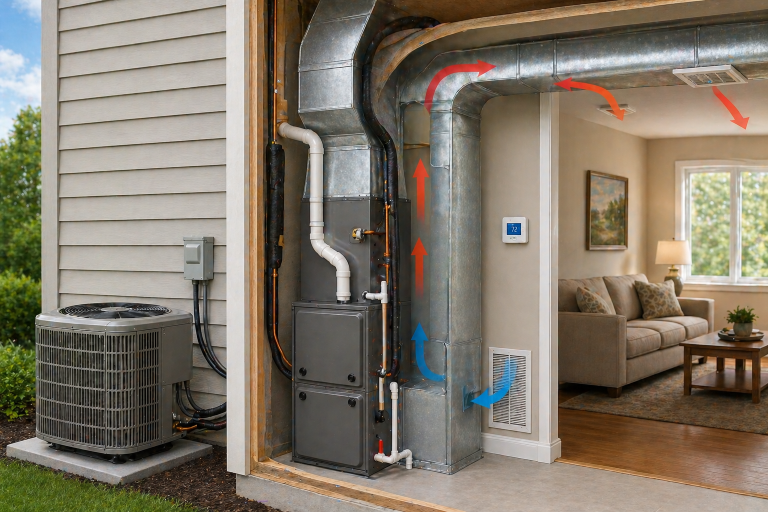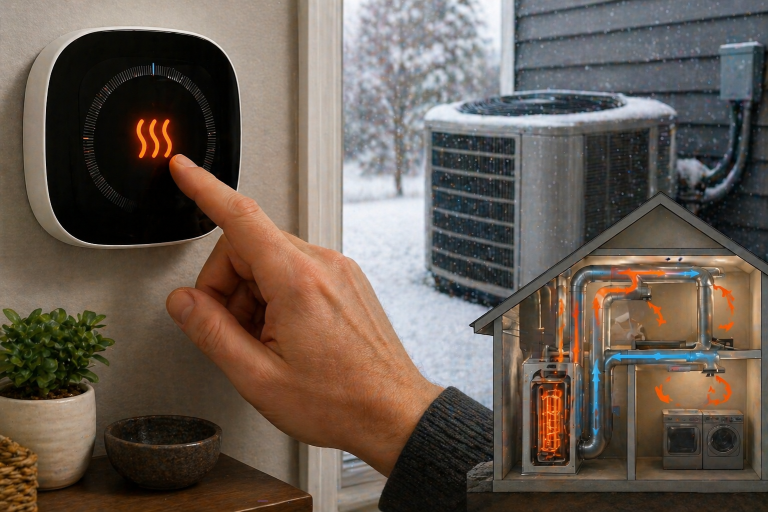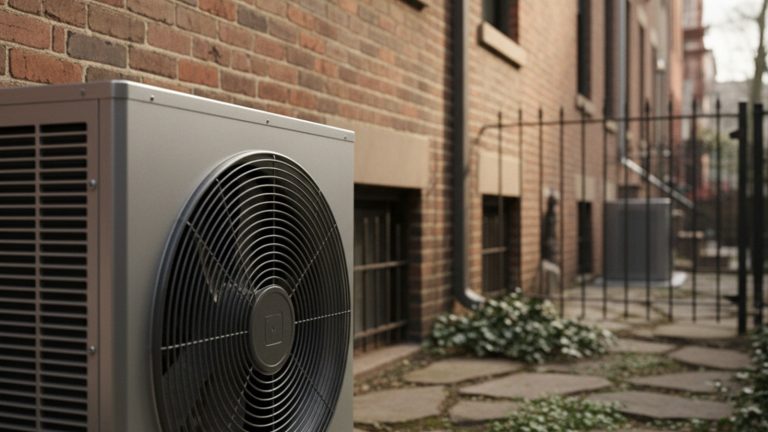

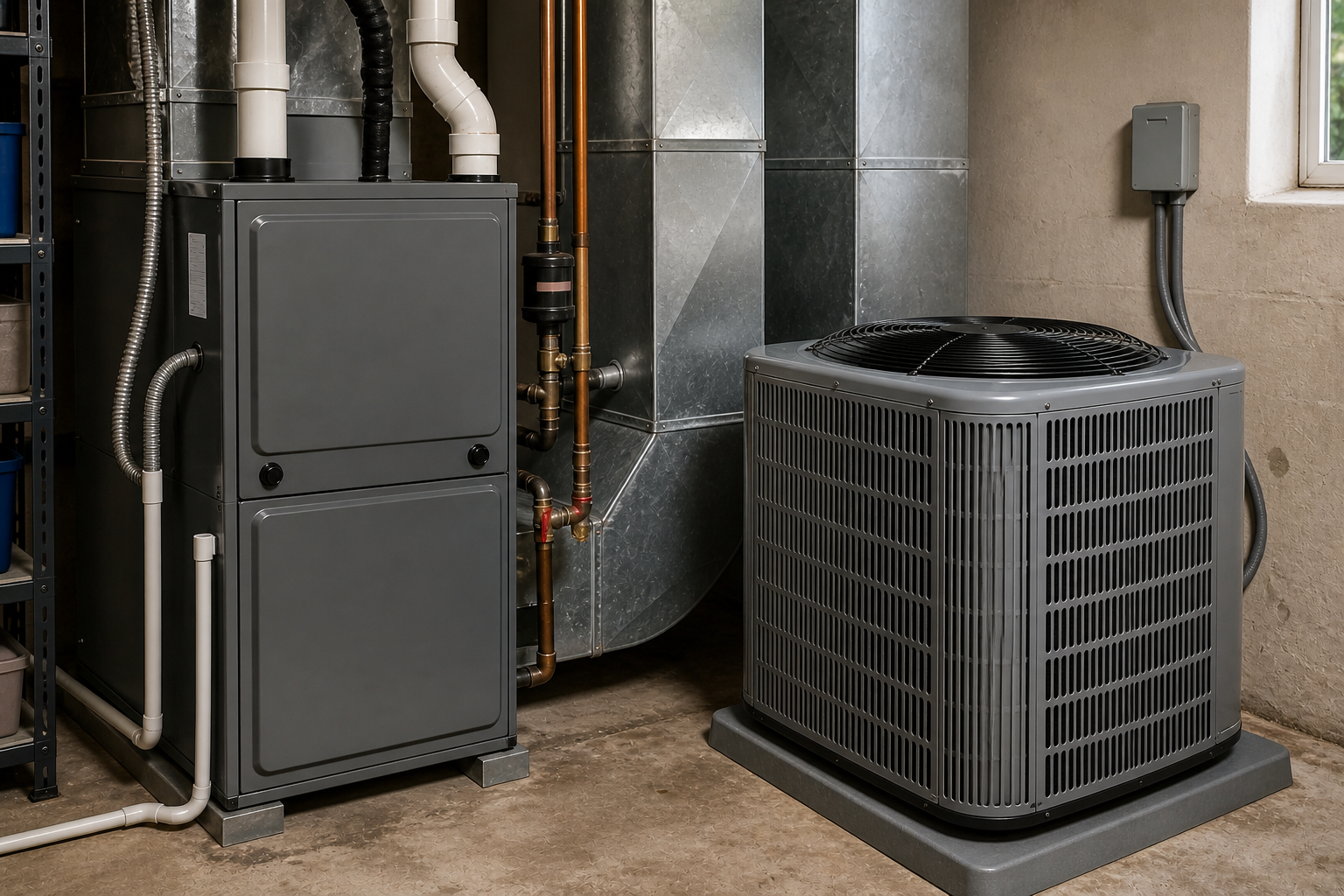
The humid summers and freezing winters in Worcester, MA demand a lot from local heating and cooling equipment. When your air conditioner stops blowing cold air or your furnace suddenly quits, panic usually sets in regarding the cost of HVAC service and repairs. Homeowners often assume the worst when a system goes quiet.
A temporary power surge, a tripped breaker, or a thermostat glitch can cause a unit to lock itself out as a safety precaution. Before you schedule an emergency service call, you should try a hard reset to see if the equipment just needs to reboot its internal computer.
Recognizing When a Reset Makes Sense
Most modern heating and cooling setups have built-in safety switches designed to shut the equipment down if something looks wrong. A brief power flicker during a summer thunderstorm can easily trigger these sensors and lock the system.
You should try a reset if the unit suddenly stops responding to the thermostat, but you hear no strange noises and smell no unusual odors. It is a simple troubleshooting step that clears temporary memory errors in the control board. Sometimes, this quick reboot is all it takes to restore normal operation.
If your system makes a grinding sound, blows smoke, or smells like burning wire, a reset will not fix the underlying mechanical failure. In those situations, you should leave the power off at the breaker and contact a licensed technician immediately.
The Process for Rebooting Central Air Conditioners
Central air conditioners require a specific sequence to clear the electrical charge from the capacitor. You start by walking to your thermostat and switching the cooling mode to the “off” position.
Next, head down to your electrical panel and locate the double-pole breaker labeled for the AC compressor. Flip this breaker completely off, ensuring the outside unit has zero power flowing to it. This step cuts the electrical supply to the main circuit board.
Some homes also have an outdoor disconnect box mounted on the exterior wall near the condenser. You can pull the disconnect block out to cut the power locally if you cannot find the right switch in the main basement panel.
Timing the Power Cycle
You should leave the power off for at least 30 minutes. This downtime allows the internal circuit boards to reset and gives the compressor time to cool down if it overheated.
Once the time has passed, flip the breaker back on or reinsert the outdoor disconnect block. Wait another five minutes before turning your thermostat back to the “cool” setting to give the system time to run its startup diagnostics.
Handling Heating Equipment Restarts
Worcester, MA has a diverse mix of housing, meaning you might be dealing with a brand-new heat pump or a fifty-year-old oil furnace. The reset protocol changes depending on what type of fuel your home uses.
Heat pumps operate on the same electrical principles as central air conditioners. You manage their resets entirely through the thermostat and the main electrical panel by shutting off the dedicated 240-volt breaker.
Traditional fossil fuel systems handle lockouts differently because they involve active combustion. They feature physical reset buttons wired directly to the burner motor or gas valve.
Managing Oil and Gas Furnaces
Gas furnaces generally require you to turn down the thermostat, shut off the power switch located on the side of the unit, and wait a few minutes before restoring power. If the pilot light went out on an older gas model, you might need to follow the relighting instructions printed on the inside panel.
Oil furnaces feature a prominent red reset button on the primary control box. You should only press this button once; pushing it multiple times pumps unburned oil into the combustion chamber, which creates a serious fire hazard.
Frequently Asked Questions
Where is the HVAC reset button usually located on the older oil furnaces common in Worcester homes?
You will typically find a red reset button mounted directly on the primary control unit or the burner motor. It sits near the bottom of the furnace where the main fuel line enters the equipment.
How long do I need to leave my central AC powered off at the breaker during a hard reset before turning it back on?
You should leave the breaker off for roughly 30 minutes. This gives the unit enough time to clear its electrical charge and cool down the compressor before it attempts to restart.
If I have to constantly reset my HVAC system to keep it running, will that cause my house to fail a buyer’s home inspection?
A system that requires constant resets indicates a failing component, and a home inspector will flag it as a defective unit. Buyers often ask for a repair credit or demand a replacement before closing if the heating or cooling equipment cannot run reliably.
What is the proper way to reset a heat pump if it locks out during a freezing Worcester winter?
Turn the thermostat off, locate the heat pump’s dedicated breaker in your electrical panel, and switch it off for 30 minutes. Turn the breaker back on and set the thermostat to normal heating mode to see if the defrost cycle clears the lockout.
How do I factory reset a smart thermostat if the heating system won’t kick on right after moving into a new house?
Most modern smart thermostats have a reset option buried in their touchscreen settings menu under “Device” or “System.” If the screen is frozen, pulling the faceplate off the wall for one minute and snapping it back on usually forces a hard reboot.
If resetting the furnace doesn’t work, how much should I expect to pay for an emergency HVAC service call in Worcester?
Emergency diagnostic fees in the area generally require a flat dispatch rate just to have a technician show up after hours or on weekends. Any parts or labor required to fix a faulty control board or blown capacitor will be billed on top of that base dispatch cost.