
Modern heating and cooling systems are essential for maintaining a comfortable home environment year-round. Most property owners rarely think about their climate control equipment until it stops working on a sweltering July afternoon or a freezing January night.
When buyers ask if is hvac dangerous, the honest answer is that neglected systems can pose serious risks. Because these units combine high-voltage electricity, combustible fuels, and pressurized chemicals, deferred maintenance can turn a standard home appliance into a significant liability. Taking a proactive approach to equipment upkeep is the best way to protect your property and ensure long-term reliability.
Understanding the mechanical vulnerabilities of your property allows you to make informed decisions about repairs and replacements. Real estate professionals always advise buyers to scrutinize the age and condition of heating and cooling units during home inspections. A well-maintained system adds significant value to a home, while a neglected one represents a looming financial burden.
The Hidden Dangers of Residential HVAC Systems
Heating, ventilation, and air conditioning systems are generally secure when properly installed and routinely serviced. The problems typically begin when homeowners skip annual inspections to save a few dollars in the short term. Deferred maintenance is the primary cause of equipment-related hazards in residential properties across the country.
Heating equipment remains a leading cause of home fire deaths in the United States. Beyond the immediate fire risks, failing components can trigger a cascade of mechanical and environmental issues. Monitoring your system for early warning signs is crucial for preventing catastrophic failures and expensive emergency repairs.
Most residential units operate quietly in the background, making it easy to ignore routine service schedules. However, allowing dust to accumulate and mechanical parts to wear down inevitably leads to larger complications. Taking the time to understand how these machines function helps you recognize when something is genuinely wrong.
Carbon Monoxide Leaks from Gas Furnaces
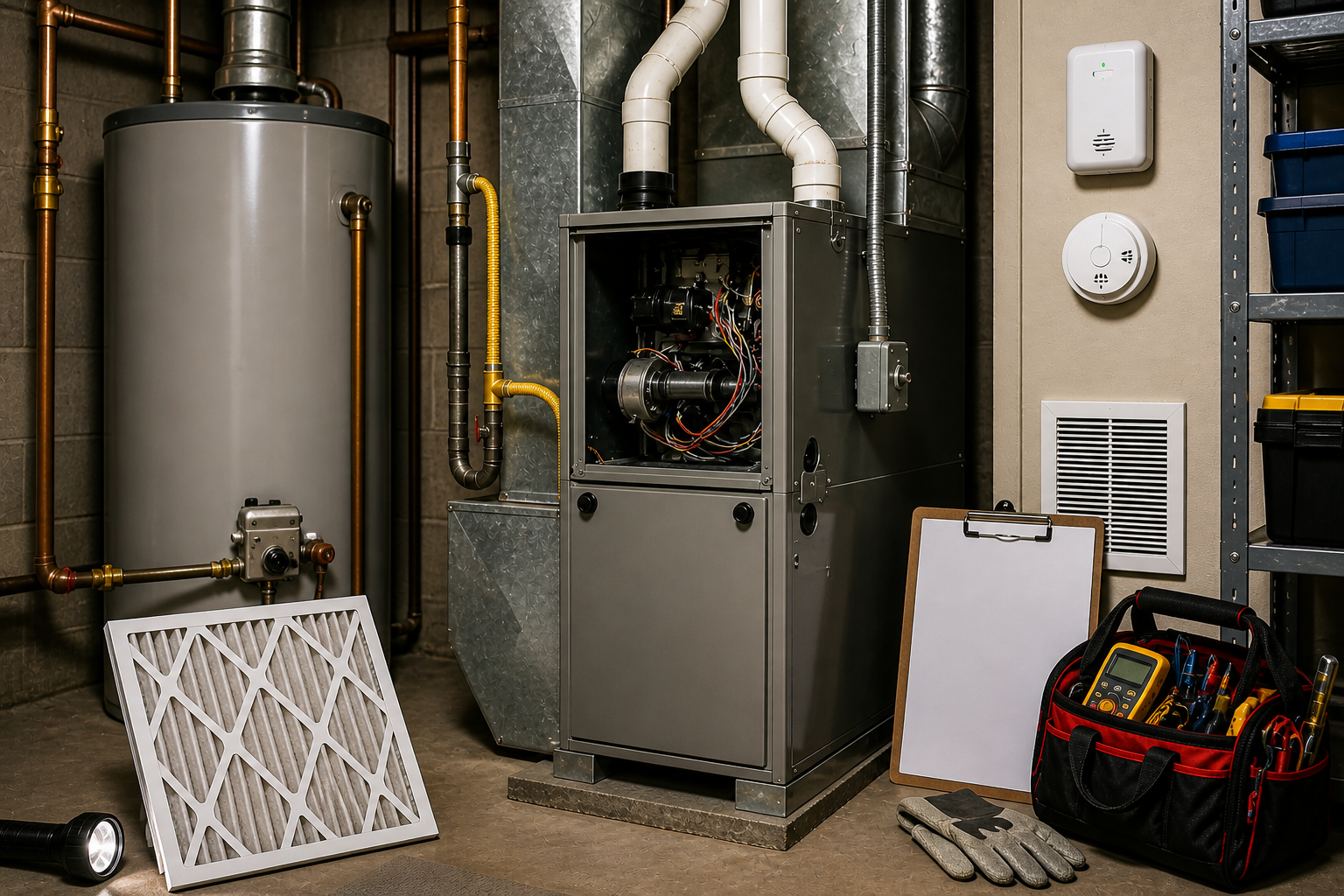
Faulty gas furnaces present a severe risk of carbon monoxide poisoning. When a heat exchanger cracks or a ventilation flue becomes blocked, odorless carbon monoxide can backdraft directly into your living space. Physical symptoms of exposure often mimic the flu, including persistent headaches, dizziness, and sudden nausea.
Installing reliable carbon monoxide detectors is an absolute necessity for any property with gas heating. You should place these alarms within 10 feet of every bedroom and directly outside the utility room door. Plan to replace the batteries every six months and upgrade the detector units themselves every five to seven years.
Annual furnace inspections are the most effective way to identify microscopic cracks in the heat exchanger before they widen. A licensed technician will also verify that the exhaust flue is completely clear of debris or animal nests. Addressing these ventilation issues promptly ensures your home remains a comfortable and secure environment.
Electrical Fire Hazards and Circuit Issues
Faulty wiring and overworked electrical components create significant fire risks within residential properties. Loose connections, frayed wires, or water drips from condensation lines can easily spark a fire if left unaddressed. A frequently tripped circuit breaker is a major warning sign of an overloaded system, rather than just a minor nuisance.
Homeowners should never attempt DIY electrical troubleshooting on high-voltage heating and air conditioning equipment. Residential central AC units typically operate on 220 to 240 volts, which is highly dangerous without proper training and licensing. Always hire a certified professional to handle electrical diagnostics and repairs.
Upgrading an older electrical panel is sometimes necessary when installing a modern, high-efficiency climate control system. Older homes often lack the electrical capacity to handle the startup surge of a new compressor. Ensuring your circuitry meets current building codes is a critical step in preventing electrical fires.
Refrigerant Exposure and Chemical Leaks
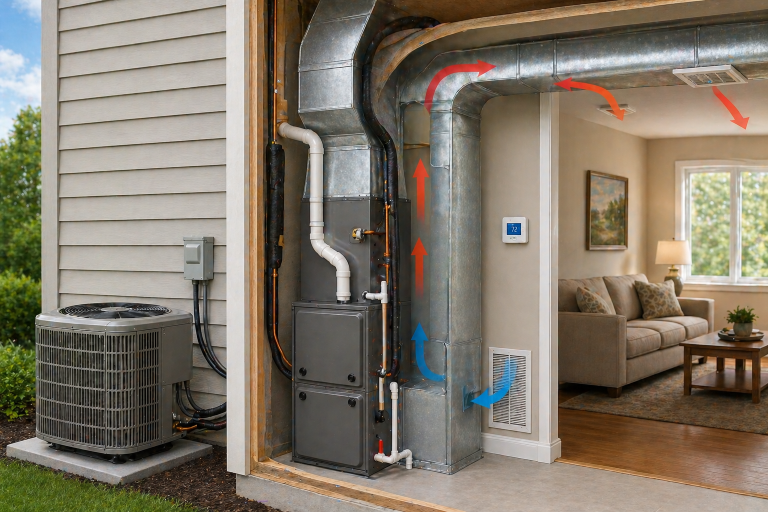
Air conditioning systems operate using pressurized refrigerants in a closed loop to absorb and remove heat. Signs of a chemical leak include hissing noises from the compressor, frozen evaporator coils, and sweet or chloroform-like odors near the vents. Inhaling these escaping refrigerant gases can cause respiratory irritation, dizziness, and long-term health complications.
Suspected leaks require immediate professional repair to secure the system and protect the home environment. The industry is currently transitioning away from older ozone-depleting chemicals toward strictly regulated hydrofluorocarbons. An aging system that frequently leaks may need a complete replacement to comply with modern environmental standards.
Homeowners should be aware that adding new refrigerant to a leaking system is only a temporary bandage. The underlying hole or crack in the copper coil must be permanently sealed to stop the chemical loss. Ignoring a slow leak forces the compressor to work harder, which ultimately leads to a complete mechanical breakdown.
Poor Indoor Air Quality: The Silent Threat
Poorly maintained units often circulate mold, dust, and airborne particulates continuously throughout the home. Condensation and moisture buildup in ductwork and drip pans create ideal breeding grounds for mold and mildew. When the blower motor kicks on, these spores are pushed directly into the living areas.
Dirty air filters compound the problem by allowing pet dander and volatile organic compounds to bypass the system defenses. Data from the United States Environmental Protection Agency indicates that indoor air can be two to five times more polluted than outdoor air. This decreased air quality is strongly connected to long-term respiratory issues, asthma exacerbation, and chronic allergies.
Upgrading to high-efficiency pleated filters and scheduling regular duct cleaning can drastically improve the air you breathe. Homeowners who prioritize ventilation and filtration consistently report better overall comfort and fewer dust accumulations on furniture.
Investing in a whole-home humidifier or dehumidifier can further stabilize your indoor air quality. Maintaining optimal humidity levels prevents mold growth during wet seasons and reduces airborne dust during dry winter months. These supplemental systems work in tandem with your primary equipment to create a much healthier breathing environment.
Warning Signs Your HVAC System Needs Immediate Attention
Recognizing dangerous equipment problems before they escalate can save you from severe property damage. Most catastrophic failures are preceded by subtle shifts in how the equipment sounds, smells, or operates. Paying attention to these daily operational cues is the easiest way to catch a failing component early.
If you ever smell natural gas or burning wires, you should immediately shut off the system at the thermostat and the main breaker. Prompt action prevents a minor mechanical failure from turning into a major fire hazard. Keep an eye out for the following distinct warning signs that require a professional service call.
Documenting these operational changes helps your technician diagnose the root cause of the problem much faster. Keep a detailed log of when the noises occur or how often the system cycles on and off. Providing this specific information takes the guesswork out of the repair process and saves you money on labor costs.
- Unusual Smells: Rotten egg odors point to a gas leak, burning plastic smells suggest electrical failure, and musty odors indicate mold growth.
- Strange Noises: Loud banging, screeching, or grinding sounds typically indicate failing motors or loose internal parts.
- Inconsistent Performance: Weak airflow, short cycling, or sudden spikes in utility bills suggest the system is overworking and nearing the end of its lifespan.
Preventative Maintenance to Keep Your Property Secure
Maintaining your heating and cooling equipment requires a mix of simple homeowner tasks and professional oversight. Changing your filters every 30 to 90 days is the single most effective way to maintain proper airflow and reduce strain on the blower motor. Clean filters also keep the internal coils free of debris, which maximizes energy efficiency.
Scheduling professional inspections twice a year ensures your equipment operates safely through extreme weather. Have a technician check the AC in the spring and inspect the furnace in the fall before the first freeze. These routine service visits allow experts to identify frayed wires, test safety switches, and measure refrigerant levels.
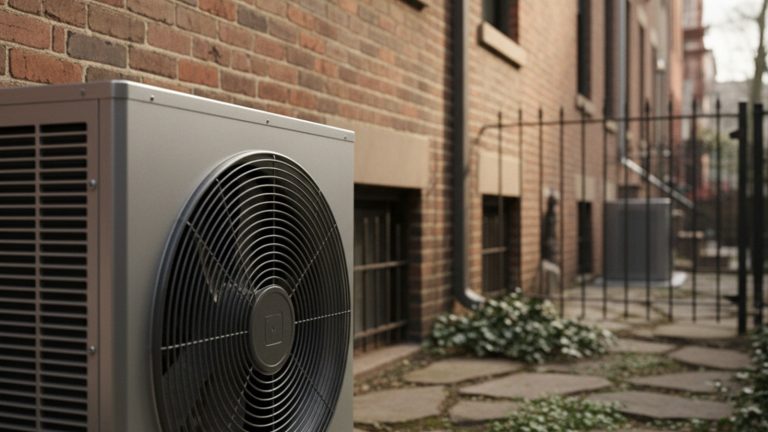
It is also vital to keep the area around the indoor air handler and outdoor condenser completely clear. Maintain a minimum clearance zone of two to three feet around all heating and cooling equipment. Removing overgrown vegetation, storage boxes, and flammable materials prevents airflow restrictions and reduces fire risks.
Keeping a detailed log of all maintenance and repairs also benefits you when it comes time to sell the property. Prospective buyers appreciate seeing a documented history of professional care for major mechanical systems. A pristine service record proves that the home has been managed responsibly and reduces buyer hesitation during negotiations.
Frequently Asked Questions
Can you get sick from a dirty HVAC system?
Yes, circulating dust, mold spores, and volatile organic compounds can significantly impact your respiratory health. Prolonged exposure to poor indoor air quality often triggers chronic allergies, asthma flare-ups, and persistent sinus irritation. Upgrading your filters and cleaning the ductwork can eliminate these airborne pollutants.
What is the $5,000 rule for HVAC?
The $5,000 rule helps homeowners decide whether to repair or replace an aging climate control unit. You multiply the age of the equipment by the estimated repair cost, and if the total exceeds $5,000, a full replacement is usually the smarter financial choice. This calculation prevents buyers from sinking money into a failing system that will soon require another major fix.
Is being an HVAC technician a dangerous job?
Professional technicians face significant occupational hazards, including exposure to high-voltage electricity, pressurized chemicals, and extreme temperatures. Working in confined spaces like attics and crawlspaces also requires specialized personal protective equipment and rigorous safety training. This high level of risk is exactly why homeowners should never attempt complex equipment repairs themselves.