

Summer in Worcester County, MA brings high humidity and warm temperatures, making a reliable cooling system a top priority for homeowners. As heavy spring pollen gives way to the sweltering heat of July, residents rely on their HVAC systems for relief. Yet, many people find themselves sneezing, coughing, or experiencing itchy eyes the moment the air kicks on. Unaddressed system issues can also restrict airflow, leaving residents wondering why is my ac not cooling my house during the hottest weeks of the year.
Air conditioning units do not inherently cause allergic reactions. Instead, the system acts as a delivery mechanism for particles already present inside the house. When a cooling system lacks proper maintenance, it circulates dust mites, pet dander, pollen, and mold spores through the vents and into your living spaces.
How Your Cooling System Impacts Indoor Air Quality
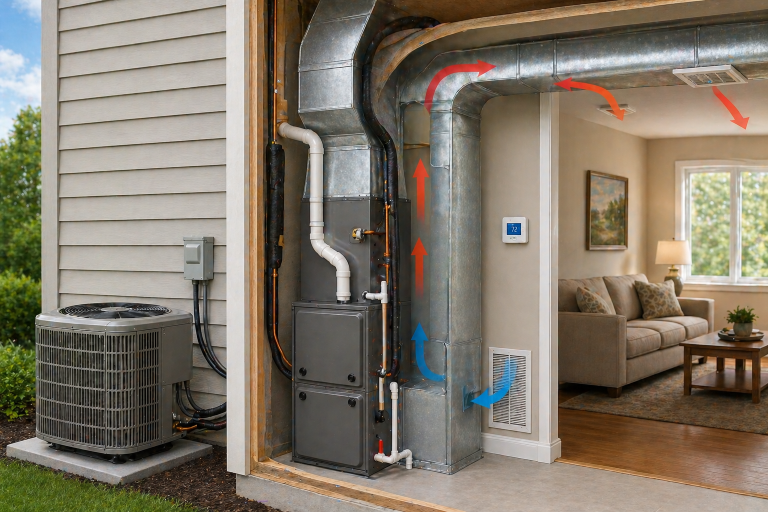
A well-maintained central air system acts as a massive air purifier for your house. It pulls warm air from the rooms, passes it over cold evaporator coils, and pushes chilled air back out through a filter designed to trap airborne particles. If the system functions correctly, it lowers indoor humidity and removes allergens from the environment.
Problems arise when the equipment is neglected, allowing dust and debris to accumulate inside the ductwork and air handler. When the blower fan turns on, it forces these settled particles back into the air you breathe. For someone sensitive to allergens, this sudden blast of contaminated air feels exactly like an allergic reaction to the AC itself.
Humidity control is another major factor for indoor comfort. Central Massachusetts summers get quite muggy, and an oversized or malfunctioning AC unit might cool the house too quickly without running long enough to remove moisture. High indoor humidity creates an ideal environment for dust mites to multiply and mold to grow in dark corners of the home.
Common Culprits Inside the HVAC System
Identifying the source of indoor allergens requires a close look at the components of your cooling system. Most issues stem from a lack of routine maintenance rather than a fundamental flaw in the equipment. Homeowners often forget about their HVAC systems until a breakdown occurs, allowing allergens to build up unnoticed for months or even years.
Addressing these problem areas early can dramatically improve the air quality inside your house. Whether you own an older colonial in Worcester or a newer build in Shrewsbury, the mechanical systems require the same basic upkeep to prevent airborne irritants.
Clogged or Low-Quality Air Filters
The air filter is the primary defense against circulating dust, pollen, and pet dander. Standard fiberglass filters only catch large debris to protect the blower motor, letting microscopic allergens pass right through. Upgrading to a pleated filter with a higher MERV rating traps much smaller particles before they reach your living room.
When a filter becomes completely clogged, air forces its way around the edges of the filter frame. This unfiltered air carries dirt directly into the ductwork and coats the internal coils. Homeowners should check their filters monthly during peak cooling season and replace them as soon as they look gray or opaque.
Moisture and Mold in the Ductwork
Air conditioners naturally produce condensation as they cool warm air. This moisture drips into a drain pan and flows outside through a condensate line. If that line clogs, water backs up into the unit, creating a dark, damp environment where mold spores thrive.
Older homes with uninsulated ductwork running through hot attics or damp basements are vulnerable to condensation issues. When cold air blows through warm metal ducts, moisture forms on the inside walls. Mold growing inside the ductwork will distribute spores throughout the entire house every time the thermostat calls for cooling.
What Homebuyers Should Look For During Inspections
Buyers touring properties in Worcester County, MA should pay close attention to the condition of the HVAC system. A quick visual inspection of the return vents can reveal a lot about how the current owners maintained the home. Thick layers of dust on the vent covers or a strong musty odor when the air turns on indicate that the system needs professional attention.
During the formal home inspection, ask the inspector to check the age and condition of the central air unit. They will look at the evaporator coils, the state of the ductwork, and the condensate drain lines. A system that has been severely neglected might require extensive duct cleaning or a complete coil replacement to stop circulating allergens.
Buyers should also factor in the cost of upgrading the filtration system if they have severe allergies. Adding a whole-home air purifier or installing UV lights inside the air handler can neutralize mold and capture microscopic dander. If the existing ductwork is compromised, installing ductless mini-splits offers a clean alternative that avoids shared air channels entirely.
Frequently Asked Questions
Does running central air help or hurt indoor air quality during Worcester County’s heavy spring pollen season?
Running a well-maintained central air system helps indoor air quality by keeping windows closed and filtering out outdoor pollen. The system pulls air through a filter that traps tree and grass pollen before it can circulate through the house. If the filter is dirty or the ducts are compromised, running the AC will distribute trapped allergens and worsen symptoms.
What should homebuyers look for during an HVAC inspection to ensure the home’s existing AC system won’t trigger allergies?
Buyers should look for clean return vents, a dry condensate drain pan, and an up-to-date service sticker on the air handler. The home inspector will check if the evaporator coils are coated in grime, which indicates years of unfiltered dust buildup. Requesting recent maintenance records from the seller confirms the system has been cleaned and serviced regularly.
Can hidden mold in the ductwork of older Worcester homes cause sudden allergy symptoms when the air conditioning is first turned on for the summer?
Yes, mold spores that grew in damp ductwork during the off-season will blow directly into the living spaces the first time the fan kicks on. Older homes with metal ducts in unconditioned basements or attics are prone to condensation, which fuels this mold growth. A sudden spike in sneezing, coughing, or asthma symptoms in early summer is a strong indicator of contaminated ducts.
How much does professional air duct cleaning typically cost in Central Massachusetts to remove built-up pet dander and allergens?
Professional duct cleaning in the Central Massachusetts area generally costs between $300 and $600 for a standard single-family home. The final price depends on the size of the house, the number of vents, and the accessibility of the ductwork. This service includes negative pressure vacuuming and brushing to dislodge pet hair, dander, and settled dust from the vent walls.
How often should homeowners change their HVAC filters during a humid New England summer to prevent mildew and dust mite buildup?
Homeowners should inspect their filters once a month during the peak cooling months of July and August. If the house has multiple pets, high foot traffic, or residents with severe allergies, replacing the filter every 30 to 45 days is standard practice. A clean filter ensures proper airflow, which helps the system dehumidify the home efficiently and deter dust mites.
Is upgrading to a whole-home HEPA filter or switching to ductless mini-splits a better investment for allergy sufferers buying a house?
Both options offer distinct advantages depending on the condition of the home’s existing infrastructure. A whole-home HEPA system is cost-effective if the current ductwork is clean and fully sealed. Ductless mini-splits are often the better choice for older homes with deteriorating ducts, as they eliminate the need to push air through dusty, hidden passageways.