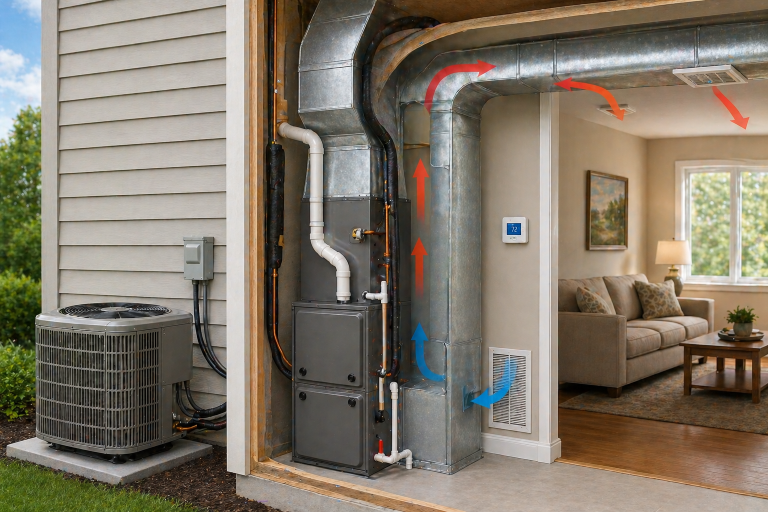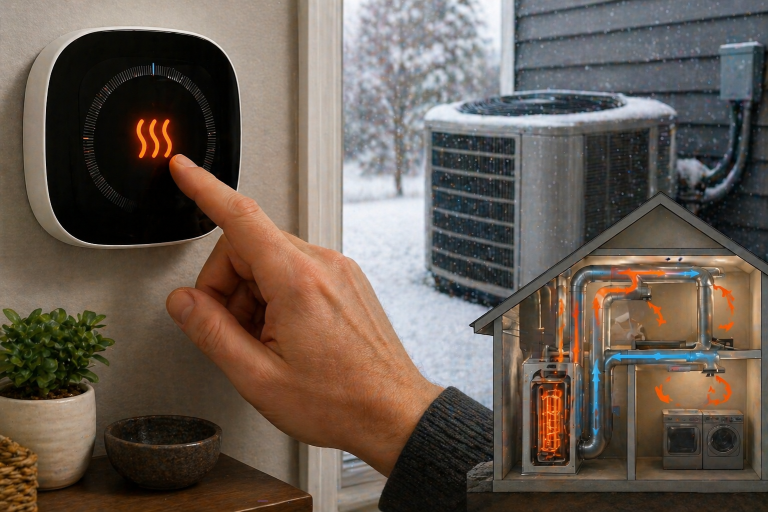

A central air conditioner or heat pump relies on a precise balance of pressure and temperature to cool a home. At the heart of this process sits a small but vital component known as a thermostatic expansion valve.
Home inspectors and buyers pay close attention to the health of a property’s heating and cooling equipment. Knowing What Is a TXV in HVAC helps owners understand why a system might suddenly stop producing cold air and whether it warrants a simple repair or a full replacement.
The Role of the Thermostatic Expansion Valve
Modern residential cooling systems require a metering device to manage the exact amount of liquid moving through the lines. The thermostatic expansion valve regulates the flow of refrigerant entering the evaporator coil.
This valve acts as a gatekeeper between the high-pressure and low-pressure sides of the system. It ensures the indoor coil receives enough liquid to absorb heat from the air without becoming overwhelmed.
Preventing excess liquid from passing through the coil protects the compressor from catastrophic damage. Compressors are designed to pump gas, and any liquid reaching them can destroy the internal mechanical parts.
How the Valve Controls Refrigerant Flow
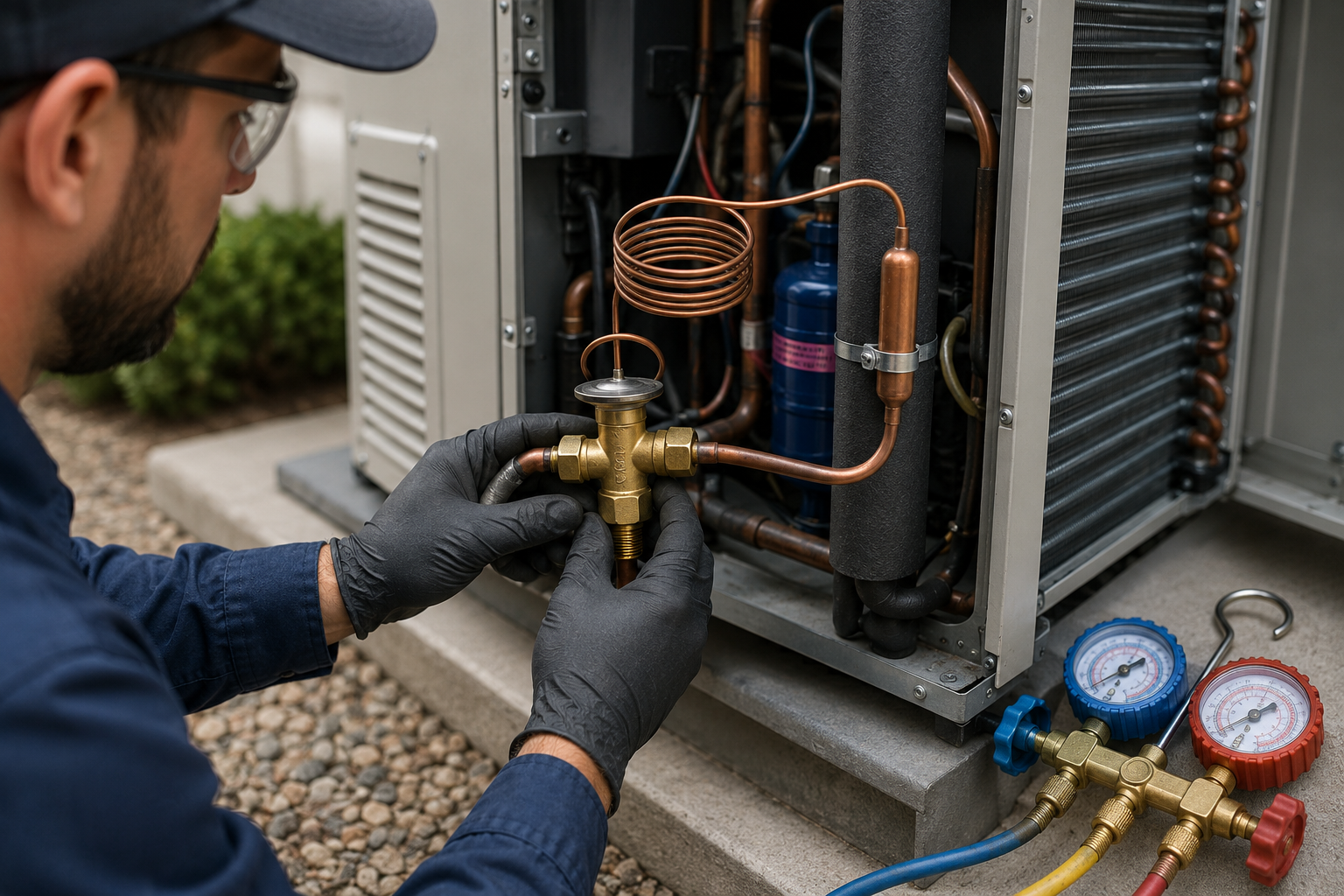
The valve relies on a sensing bulb securely attached to the suction line near the exit of the evaporator coil. This bulb measures the temperature of the refrigerant as it leaves the indoor unit.
When the temperature rises, the fluid inside the sensing bulb expands and pushes down on a diaphragm inside the valve. This action opens the valve wider, allowing more refrigerant to enter the coil and absorb the excess heat.
As the temperature drops, the pressure on the diaphragm decreases, causing the valve to restrict the flow. This continuous adjustment maintains a steady transition from high-pressure liquid to low-pressure vapor throughout the cooling cycle.
While older units might use basic piston-style metering devices, most modern systems utilize these temperature-responsive valves. Some high-end variable-speed units now feature electronic expansion valves, which use digital sensors rather than mechanical bulbs to achieve the same result.
Recognizing a Failing Component
A malfunctioning valve disrupts the pressure balance required for an air conditioner or heat pump to operate efficiently. Homeowners often first notice a problem when the air blowing from the vents feels warm or the indoor temperature fails to match the thermostat setting.
A restricted flow of refrigerant causes the temperature of the evaporator coil to drop below freezing. This leads to ice forming on the indoor unit and the refrigerant lines, which further blocks airflow and stops the cooling process entirely.
Identifying a bad valve requires a trained HVAC technician to measure system pressures and temperatures. They look for specific indicators that the metering device has failed:
- Frost or solid ice buildup encasing the indoor evaporator coil.
- Unusually low pressure readings on the suction side of the system.
- A sudden spike in monthly utility costs caused by the unit running continuously.
- Compressor overheating or shutting down prematurely due to inadequate cooling from the returning vapor.
Repair Costs Compared to Full System Replacement
The average cost to replace a faulty thermostatic expansion valve ranges from $250 to $850, depending on the size of the unit and local labor rates. This price includes the new part, the labor to install it, and the necessary refrigerant recovery process.
A trained HVAC technician must remove the existing refrigerant, cut out the old valve, braze in the new one, and then recharge the system. If the unit uses an older, phased-out refrigerant, the cost of adding new fluid can push the total repair bill higher.
Homeowners facing this repair should weigh the cost against a full HVAC system replacement. A complete new setup in 2026 typically runs between $7,500 and $11,500, varying by tonnage and efficiency ratings.
The decision to repair or replace often comes down to the age of the equipment and the status of the manufacturer’s warranty. If the system is over a decade old and no longer under warranty, investing that repair money into a new, efficient unit makes financial sense.
The Impact on Home Inspections
During a standard real estate transaction, inspectors measure the temperature differential between the return and supply air. A healthy system typically shows a drop of 14 to 20 degrees across the indoor coil.
An undiagnosed valve issue will cause the system to fail this basic test, flagging the entire HVAC setup as defective on the inspection report. Buyers routinely use these reports to request expensive repairs or demand seller concessions before closing.
Documented, routine maintenance helps prevent these surprises during the selling process. A fully functioning system with a clean bill of health supports the home’s appraisal value and reassures potential buyers.
Buyers pay close attention to the age and condition of the major mechanical systems. An efficient, well-maintained air conditioner translates directly to lower utility costs and a smoother transaction for everyone involved.
Frequently Asked Questions
Can I replace a TXV valve myself?
No, this is not a do-it-yourself project. Federal regulations mandate that a trained HVAC technician use specialized equipment to recover the refrigerant before opening the sealed system. Attempting this repair without the proper licensing and tools can release harmful chemicals into the atmosphere and permanently damage the compressor.
How long does a thermostatic expansion valve last?
These mechanical valves typically last 10 to 15 years, which aligns with the average lifespan of the entire air conditioning unit. Regular filter changes and annual coil cleanings reduce the strain on the system, helping the valve reach its maximum life expectancy. Contaminants or moisture inside the refrigerant lines are the most common causes of premature failure.