
When your central air conditioning fails on a sweltering July afternoon or your furnace quits in the dead of winter, the first call you make is to a heating and cooling professional. Modern climate control systems are incredibly complex networks of electrical components, pressurized refrigerants, and sensitive computerized thermostats. Knowing exactly what do hvac techs do helps you understand the value of their expertise and ensures you hire the right professional for your home.
The industry has shifted significantly over the last few years as homes adopt smarter, more energy-efficient technologies. A technician today is part electrician, part plumber, and part software troubleshooter. They handle everything from installing high-efficiency heat pumps to diagnosing airflow restrictions that drive up your monthly utility bills.
The Core Responsibilities of Heating and Cooling Professionals
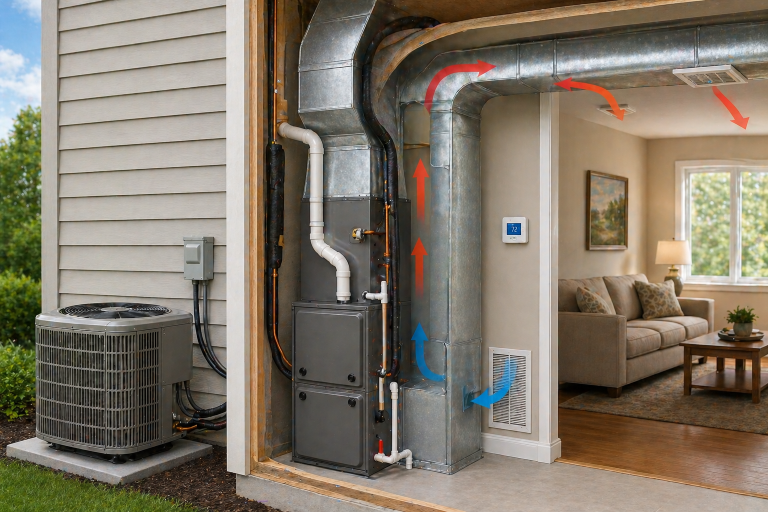
The daily workload of a climate control specialist goes far beyond simply swapping out a dirty air filter. These professionals are trained to manage the entire lifecycle of your home’s heating, ventilation, and air conditioning infrastructure. They evaluate the specific square footage and layout of your property to recommend systems that provide optimal comfort without wasting energy.
A significant portion of their job involves preventative care to keep aging equipment running smoothly. Regular inspections allow them to catch worn belts, failing capacitors, and microscopic refrigerant leaks before these minor issues turn into catastrophic failures. This proactive approach saves homeowners thousands of dollars in premature replacement costs over the life of a system.
System Installations and Upgrades
Installing a new furnace or central air unit requires precise calculations and heavy physical labor. Technicians must properly size the equipment, configure the ductwork connections, and ensure all electrical wiring meets local building codes. Improper installation is the leading cause of inefficient operation, which is why this task requires specialized training.
Routine Maintenance and Tune-Ups
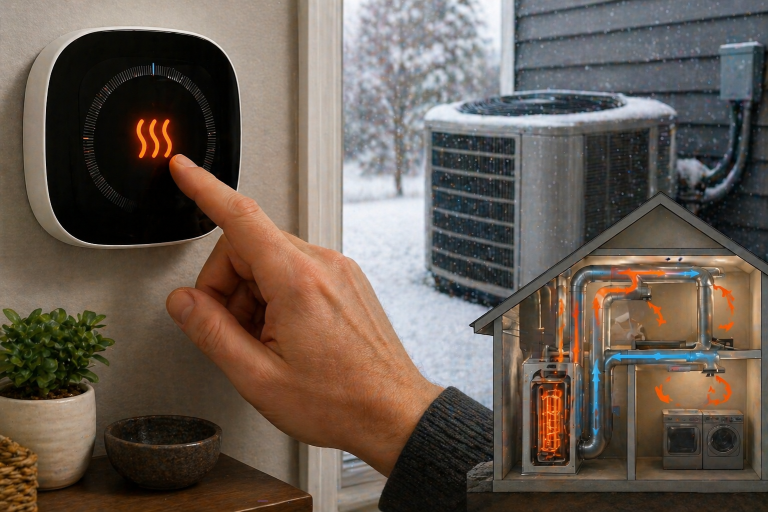
Seasonal maintenance visits are the bread and butter of the residential heating and cooling industry. During a standard tune-up, a technician will calibrate the thermostat, clean the condenser coils, and measure the electrical draw of the blower motor. They also inspect the heat exchanger for dangerous cracks that could allow carbon monoxide to enter your living space.
Diagnosing and Repairing Complex Climate Systems
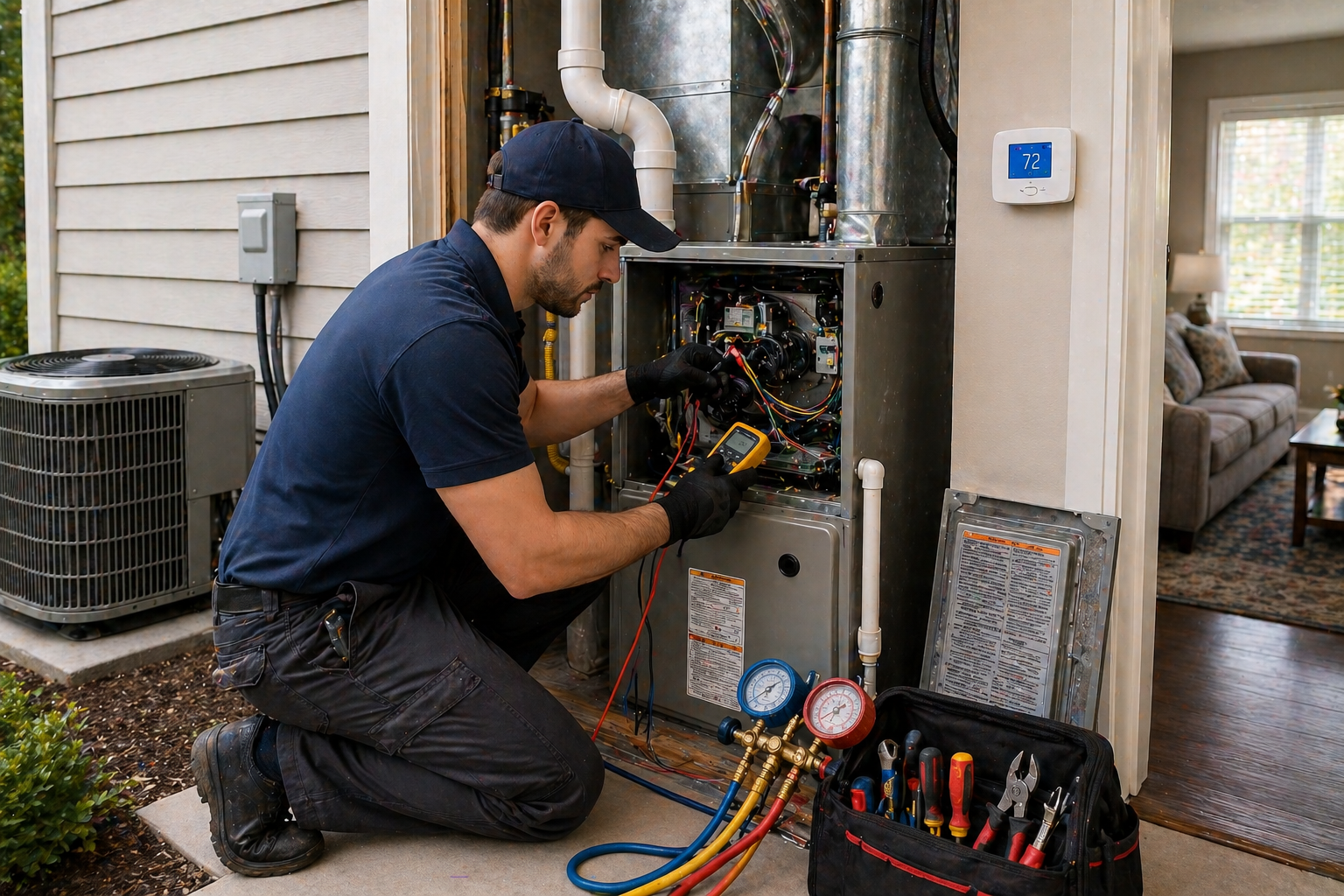
Troubleshooting a broken heating or cooling unit is often like solving a high-stakes puzzle under extreme pressure. When a system stops working, the root cause could be anything from a tripped breaker to a seized compressor motor. Technicians use advanced diagnostic tools like digital multimeters, thermal imaging cameras, and manifold gauges to pinpoint the exact source of the malfunction.
Once the problem is identified, the repair process requires a deep understanding of mechanical systems and safety protocols. Technicians routinely handle hazardous materials, including pressurized chemical refrigerants and high-voltage electrical lines. Their specialized training ensures that repairs are completed safely and effectively without putting your property at risk.
Emergency Repair Services
In states like TX and FL, extreme weather conditions often lead to a sudden surge in equipment failures. Technicians work long, irregular hours during peak summer and winter months to restore comfort to overheating or freezing homes. They carry a wide inventory of replacement parts on their trucks to resolve most common emergencies in a single visit.
Handling Indoor Air Quality Upgrades
Beyond basic temperature control, modern professionals are increasingly focused on improving the air you breathe inside your home. They install whole-house humidifiers, ultraviolet purification lights, and advanced filtration systems to reduce airborne allergens. These upgrades require careful integration with your existing ductwork to ensure proper airflow and system balance.
Why Licensing and Certifications Matter in 2026
The technical requirements for working on modern climate systems are stricter than ever before. To legally handle and dispose of refrigerants, a technician must hold an active Section 608 certification from the Environmental Protection Agency. This federal requirement protects the environment from harmful ozone-depleting substances and ensures the technician understands proper recovery procedures.
State and local licensing requirements add another layer of consumer protection for homeowners. Licensed professionals must prove their competency through rigorous testing and maintain adequate insurance coverage to work on residential properties. Hiring an unlicensed individual might save a few dollars upfront, but it often voids manufacturer warranties and leaves you liable for any property damage.
Frequently Asked Questions
How much does an HVAC service call typically cost?
A standard diagnostic visit usually ranges from $80 to $150, depending on your location and the time of year. If repairs are needed, the technician will provide an itemized quote for parts and labor before beginning the work. Emergency calls outside of normal business hours often incur a higher dispatch fee.
How often should an HVAC tech service my system?
You should schedule professional maintenance twice a year to keep your equipment running efficiently. A technician should inspect your cooling system in the spring and check your heating system in the fall. This bi-annual schedule helps prevent unexpected breakdowns during peak weather conditions.
Do HVAC techs also clean air ducts?
While some full-service heating and cooling companies offer duct cleaning, it is often handled by specialized contractors. A technician can inspect your ductwork for leaks, damage, or severe blockages during a routine service visit. If they notice significant dust buildup, they may refer you to a dedicated duct cleaning service.