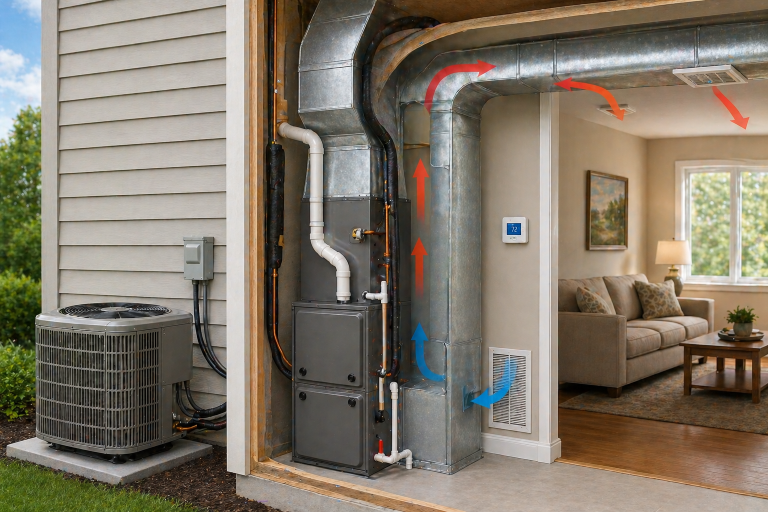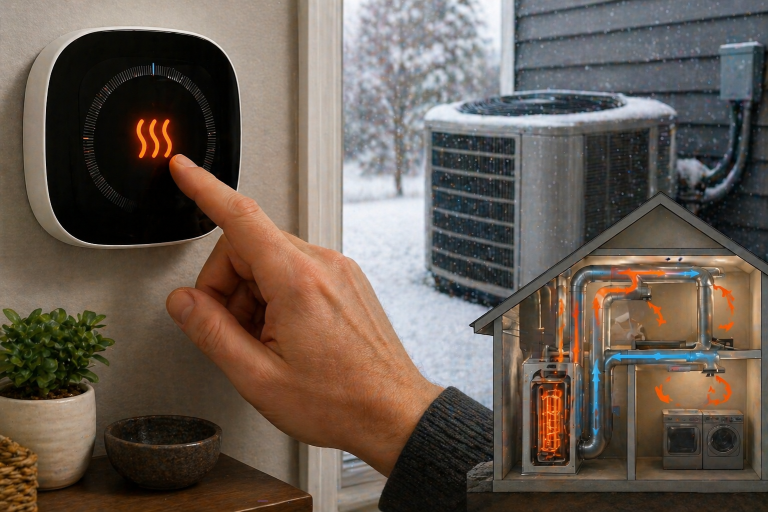

Waking up to a freezing house in the middle of a Worcester County, MA winter is a frustrating experience for any homeowner. Often, the culprit behind that sudden drop in temperature is a simple extinguished flame inside your heating system. Knowing how to light a pilot light on a furnace can save you from an uncomfortable morning and an unnecessary service call.
Many older homes throughout the Northeast still rely on traditional standing pilot heating systems. These units require a small, continuous flame to ignite the main burners when the thermostat calls for heat. Understanding the proper steps to reignite this flame ensures your heating system operates safely and effectively throughout the cold season.
While the process is straightforward, dealing with natural gas always requires caution and strict adherence to safety protocols. A quick visual inspection and a few basic troubleshooting steps are usually all it takes to restore your home’s warmth. Taking the time to learn this basic maintenance task provides valuable peace of mind.
What Is a Pilot Light and Why Does It Go Out?
A pilot light is a small, continuously burning flame located near the main burner of older gas furnaces. Its primary job is to serve as an ignition source when your home’s thermostat signals the heating system to turn on. Without this tiny flame, the main gas valve will not open, leaving your home completely without heat.
These flames can extinguish for a variety of reasons, ranging from a strong draft in your basement to a temporary interruption in your municipal gas supply. A dirty or failing thermocouple is another frequent culprit, as this safety device shuts off the gas if it cannot detect a steady flame. Dust and debris buildup around the pilot orifice can also weaken the flame until it eventually blows out.
It is worth noting that most heating systems manufactured after 2010 use electronic ignition systems rather than traditional standing pilots. If your home has a newer unit, you will not find a continuous flame to relight. However, if you have an older system and the flame goes out repeatedly, you likely have a deeper mechanical issue requiring attention.
Safety Precautions Before You Start
Handling any gas appliance requires a strict focus on safety to protect your home and family. Before you even attempt to locate the ignition assembly, you must perform a basic sensory check of the area around your heating system. A faint, lingering odor of gas is a serious warning sign that requires immediate action.
If you detect a strong smell of gas, do not attempt to ignite anything or operate electrical switches. You must evacuate the house immediately and contact your local utility provider from a safe distance outside. Only proceed with the relighting process if the air is completely clear of any natural gas odors.
Proper preparation ensures a smooth and safe process when you are ready to begin. Gathering the right tools beforehand prevents you from fumbling around a dark basement or utility closet.
- Turn the furnace power switch to the off position and wait a minimum of five minutes for any residual gas to dissipate.
- Keep all flammable materials, including rags and cardboard, completely clear of the immediate area.
- Have a long-reach barbecue lighter ready to keep your hands at a safe distance from the burner.
- Locate your main gas shutoff valve in case you need to stop the fuel supply quickly.
Step-by-Step: How to Relight a Furnace Pilot Light
The actual process of relighting the flame only takes a few minutes once you have secured the area. You will first need to remove the front access panel of your unit to locate the pilot assembly and the main gas valve. These components are typically situated near the bottom of the heating equipment.
The gas valve features a prominent control knob usually marked with ON, OFF, and PILOT settings. Taking your time with each step ensures the internal safety mechanisms engage properly. Rushing the process often results in the flame immediately dying out as soon as you release the controls.
Follow these exact steps to restore the flame safely. Having your tools staged in advance makes the process much smoother.
- Turn the gas valve knob to the OFF position and wait a full five minutes.
- Turn the knob to the PILOT setting, then press and hold it down firmly.
- While holding the knob down, use your long lighter to ignite the pilot orifice.
- Continue holding the knob down for 30 to 60 seconds to allow the thermocouple to heat up.
- Release the knob and verify the flame stays lit, then turn the dial to the ON position.
What If the Pilot Light Wont Stay Lit?
Sometimes you will follow the ignition steps perfectly, only to watch the flame vanish the moment you release the control knob. The most common reason for this frustrating scenario is a malfunctioning thermocouple. This small copper rod acts as a safety sensor, and when it fails, it actively prevents the gas valve from staying open.
A weak or flickering flame points toward a dirty pilot orifice rather than a broken sensor. Over the summer months, dust and spider webs can easily clog the tiny opening where the gas escapes. A professional annual tune-up, which typically runs between $80 and $150, usually includes cleaning this orifice to ensure a strong, steady blue flame.
Environmental factors around the unit can also cause persistent outages. Strong drafts from nearby basement windows or leaky return ductwork can easily blow out a standing pilot. If you attempt to relight the system two or three times without success, it is best to stop and call an HVAC technician to diagnose the root cause.
When to Call a Professional Instead
While relighting a pilot is a standard homeowner maintenance task, certain situations demand specialized expertise. Any time you feel uncomfortable working near gas lines, stepping back and calling a professional is the smartest choice. Your safety is always more important than saving the cost of a service visit.
Visible damage to the gas line, the burner assembly, or the heat exchanger requires immediate professional attention. Operating a compromised heating system can introduce dangerous carbon monoxide into your living space. Additionally, if you own a high-efficiency unit with an electronic ignition, there is no standing flame to light, and ignition failures require advanced diagnostic tools.
Emergency HVAC service calls generally cost between $100 and $200, plus the price of any replacement parts. A persistent gas smell even after the valve is shut off is an absolute emergency that requires utility company intervention. Trust your instincts and rely on certified technicians when the basic troubleshooting steps fail to resolve the issue.
Frequently Asked Questions
Is it safe to relight a pilot light myself?
Yes, most homeowners can safely handle this task by following basic precautions. You must ensure there is no gas odor in the room and wait the required five minutes before striking a flame. A local MA HVAC technician will always advise you to keep a long-reach lighter on hand to maintain a safe distance.
Why does my furnace pilot light keep going out?
A failing thermocouple is the most frequent reason a flame refuses to stay lit. Strong drafts in older basements or fluctuations in municipal gas pressure can also cause unexpected outages. If the flame drops out multiple times in a single week, you likely need a sensor replacement.
How much does it cost to have a professional relight my furnace?
A standard emergency service call to diagnose and relight a system runs between $100 and $200 in the local area. If the technician discovers a broken thermocouple, expect the total bill to reach $150 to $250 including parts and labor. Routine maintenance visits often prevent these unexpected cold-weather expenses.
Do all furnaces have a pilot light?
No, the vast majority of heating systems installed after 2010 utilize electronic ignition modules. These modern units only generate a spark or heat a surface when the thermostat actively calls for warm air. If your system is less than 15 years old, you likely do not have a standing flame to maintain.